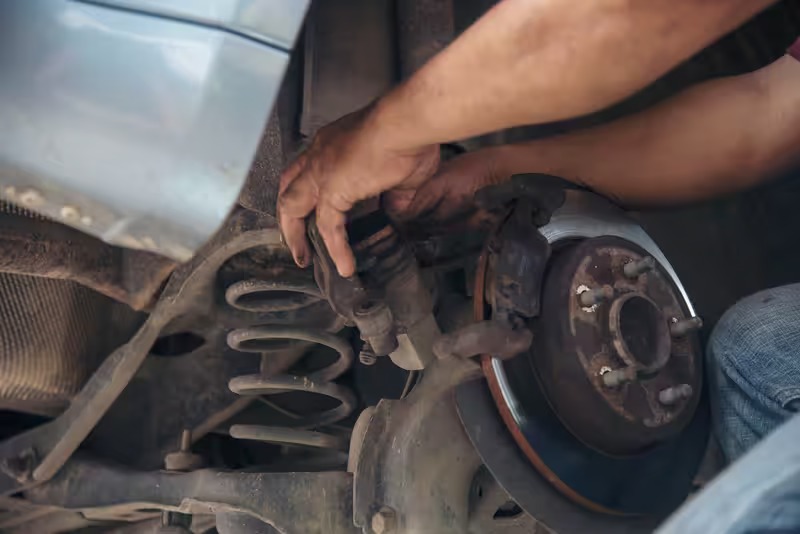
Control Arm Bushings are small components with a major responsibility in any vehicle suspension system. They sit between the control arm and the vehicle’s chassis. Their main job is to manage movement, reduce vibration, and maintain stability while driving.
Without Control Arm Bushings, every road impact would transfer directly into the cabin and suspension structure. Driving would feel harsh, unstable, and unpredictable. These bushings act as controlled flexible joints that allow movement but prevent excessive shifting.
In simple terms, they balance comfort and control. That balance is what makes modern driving smooth and safe.
Understanding the Suspension System They Operate In
To understand Control Arm Bushings properly, you need to see where they fit in the full suspension system. They are part of a larger network that includes control arms, springs, shocks, and steering components.
The Relationship Between Control Arms and Chassis
Control arms connect the wheel assembly to the chassis. They guide wheel movement as the suspension reacts to road conditions. Control Arm Bushings sit at the mounting points of these arms.
This connection must be flexible enough to allow motion but strong enough to hold alignment under stress.
Interaction With Springs, Shocks, and Linkages
Springs absorb vertical movement. Shock absorbers control rebound. Control Arm Bushings stabilize the geometry during these movements.
If bushings are worn, even good shocks and springs cannot maintain proper handling. The entire system becomes less predictable.
Load Transfer During Braking, Acceleration, and Cornering
During braking, weight shifts forward. During acceleration, it shifts backward. In corners, it shifts sideways.
Control Arm Bushings help manage these forces. They keep the suspension geometry stable so the tires maintain proper contact with the road.
Core Function of Control Arm Bushings
The core function of Control Arm Bushings is control with flexibility. They are designed to move slightly under pressure but return to their original position.
They isolate vibration from the road surface. Without them, every bump would create harsh feedback through the steering wheel and chassis.
They also define suspension movement limits. This prevents excessive flex that could damage alignment or reduce tire grip.
Finally, they ensure predictable wheel motion. This predictability is essential for safe braking and stable cornering.
How Control Arm Bushings Affect Vehicle Handling
Control Arm Bushings directly influence how a vehicle feels on the road. Even small wear can noticeably change handling behavior.
Steering Feedback and Road Feel
Healthy bushings provide sharp and consistent steering feedback. The driver feels connected to the road.
When bushings wear out, steering can feel loose or delayed. Small corrections may be needed to keep the vehicle straight.
Stability at High Speeds and During Cornering
At higher speeds, suspension stability becomes critical. Control Arm Bushings prevent unwanted movement in the control arms.
Worn bushings can create a floating sensation or instability during lane changes or highway driving.
Impact on Braking Control and Weight Shift
During braking, worn bushings allow extra movement in the suspension. This can cause uneven weight distribution.
The result is reduced braking confidence and longer stopping distances in some cases.
Materials Used in Control Arm Bushings
Different materials are used depending on comfort, durability, and performance needs.
Rubber bushings are the most common in factory vehicles. They offer smooth, quiet operation and good vibration absorption.
Polyurethane bushings are stiffer and more durable. They improve handling precision but increase noise and vibration.
Some modern designs use hybrid materials or reinforced composites. These aim to balance comfort and performance more effectively.
Common Stress Factors That Impact Control Arm Bushings
Control Arm Bushings wear out due to a combination of mechanical and environmental stress.
Road Conditions and Surface Quality
Rough roads, potholes, and uneven surfaces increase suspension movement. This accelerates bushing wear over time.
Vehicles driven in urban environments with poor road conditions often experience faster degradation.
Driving Style and Performance Usage
Aggressive driving puts more stress on suspension components. Hard cornering and sudden braking increase bushing movement.
Performance vehicles or spirited driving styles typically shorten lifespan significantly.
Environmental Exposure and Temperature Changes
Heat, cold, oil exposure, and moisture all affect bushing material. Over time, rubber can crack or harden due to temperature cycles.
Road salt and chemicals also contribute to long-term deterioration.
Signs of Changing or Failing Control Arm Bushings
Worn Control Arm Bushings often show clear symptoms if you pay attention.
Steering may feel loose or less precise than usual. The vehicle might drift slightly even on straight roads.
Clunking or knocking noises are common when driving over bumps. These sounds come from excess movement in the suspension.
Uneven tire wear is another strong indicator. Misalignment caused by worn bushings leads to irregular contact with the road surface.
Control Arm Bushings in Performance and Modified Cars
In performance tuning, Control Arm Bushings are often upgraded to improve handling.
Why Enthusiasts Upgrade Bushings
Performance drivers want sharper steering response and better road feedback. Stiffer bushings reduce unwanted movement in the suspension.
Trade-Off Between Comfort and Precision
Upgraded bushings improve handling but reduce comfort. More vibration and road noise enter the cabin.
This trade-off is acceptable in performance or track-focused builds but not always ideal for daily driving.
Track Use vs Daily Driving Considerations
Track vehicles benefit from maximum stiffness and precision. Daily drivers need a balance between comfort and control.
Choosing the right setup depends on how the vehicle is used most often.
Diagnostic Methods Used by Mechanics
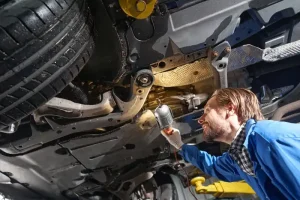
Mechanics use several methods to diagnose Control Arm Bushing wear.
Visual inspection is the first step. Cracks, tears, or deformation in the rubber indicate damage.
Load testing is also used. Technicians apply force to the suspension to check for excessive movement.
Road testing helps confirm symptoms like noise, instability, or steering issues.
Replacement Approaches for Control Arm Bushings
There are two main replacement methods.
Some vehicles allow bushings to be replaced individually. Others require full control arm replacement.
Replacing the entire control arm is faster and ensures all components are new. Bushing-only replacement can be more cost-effective but requires special tools.
After replacement, wheel alignment is essential. Even small changes in geometry can affect tire wear and handling.
Common Mistakes During Installation and Maintenance
Incorrect installation is a major cause of premature failure.
Improper torqueing can twist bushings and reduce lifespan. Suspension bolts should always be tightened under correct load conditions.
Misalignment during pressing can damage the bushing before it even enters service.
Ignoring other worn suspension components can also reduce the effectiveness of new bushings.
How Long Control Arm Bushings Typically Last
Bushing lifespan varies depending on driving conditions and material type.
On average, rubber bushings last between 60,000 to 100,000 kilometers under normal driving conditions.
Performance or heavy-duty use reduces lifespan significantly.
Harsh environments, aggressive driving, or poor maintenance can shorten service life even further.
Choosing the Right Control Arm Bushings for Your Vehicle
Selecting the right bushings depends on how the vehicle is used.
For daily driving, comfort-focused rubber bushings are ideal. They provide smooth operation and low noise.
For performance driving, polyurethane bushings offer better handling and sharper response.
For off-road or heavy-duty applications, stronger reinforced bushings are recommended to handle constant stress.
Future Innovations in Suspension Bushing Technology
Suspension technology is evolving rapidly.
Adaptive materials are being developed that can adjust stiffness based on driving conditions.
Noise-reduction designs aim to improve comfort without sacrificing performance.
Lightweight composite materials are also being tested to improve efficiency and reduce overall vehicle weight.
These innovations may eventually eliminate the traditional compromise between comfort and performance.
Conclusion
Control Arm Bushings play a critical role in suspension performance, comfort, and safety. They control movement between the chassis and suspension system while maintaining stability under load.
When they wear out, handling becomes less precise, noise increases, and tire wear accelerates. Understanding their function helps drivers identify issues early and maintain better vehicle control.
Choosing the right type of Control Arm Bushings depends on driving style and expectations. Whether focused on comfort or performance, maintaining healthy bushings is essential for safe and predictable driving.