When discussing vehicle performance, many drivers focus on horsepower, fuel efficiency, suspension systems, or tire quality. While these components certainly influence how a vehicle operates, one system plays a more critical role in everyday safety than almost any other: the braking system. Regardless of how fast a vehicle can accelerate, its ability to stop safely and consistently is essential for protecting drivers, passengers, pedestrians, and other road users.
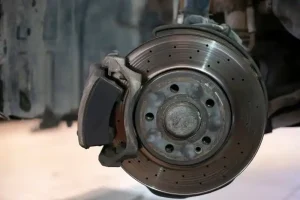
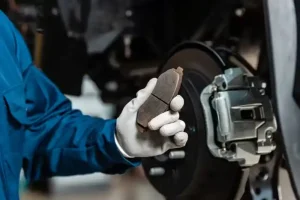
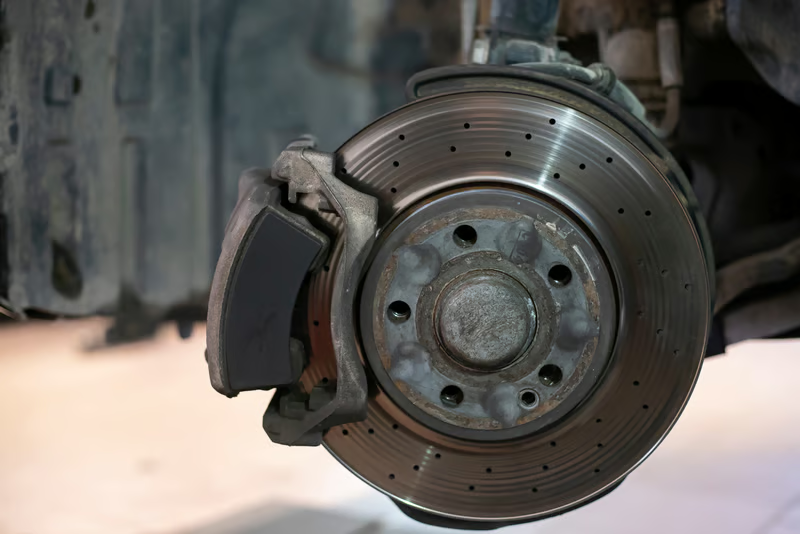
At the center of every braking system are the brake pads. These components generate the friction necessary to slow or stop a moving vehicle. Whenever the driver presses the brake pedal, the brake pads press against the brake rotors, converting kinetic energy into heat through friction. This process allows the vehicle to decelerate in a controlled manner. Although brake pads may appear relatively simple, the materials used in their construction have a significant impact on braking performance, safety, durability, and overall driving experience.
Brake pad materials have evolved substantially over the years. Early brake pads often contained asbestos due to its heat-resistant properties. However, health concerns eventually led manufacturers to develop safer alternatives. Today, modern brake pads are produced using various compounds, including organic materials, semi-metallic blends, low-metallic formulations, and ceramic technologies. Each material possesses unique characteristics that affect how the brake system performs under different driving conditions.
The choice of brake pad material influences several important factors. Stopping power, brake fade resistance, heat management, rotor wear, noise levels, dust production, longevity, and comfort all depend to some degree on brake pad composition. A material that performs exceptionally well during high-speed racing may be poorly suited for everyday commuting. Likewise, a comfortable and quiet brake pad designed for city driving may struggle under extreme performance conditions.
Because different drivers have different needs, there is no single brake pad material that is ideal for every vehicle or application. Understanding how brake pad materials affect vehicle safety and performance allows drivers to make informed decisions that align with their driving habits, environmental conditions, and performance expectations.
Whether operating a family sedan, performance sports car, pickup truck, SUV, commercial vehicle, or race car, selecting the appropriate brake pad material can significantly influence braking reliability and overall road safety.
Understanding How Brake Pads Work
Before examining materials, it is important to understand brake pad function.
Friction Generation
Brake pads create friction against rotors.
Speed Reduction
Friction slows vehicle movement.
Heat Production
Braking converts motion into heat.
Safety Contribution
Reliable braking protects vehicle occupants.
Why Brake Pad Material Matters
Material selection directly affects braking behavior.
Performance Differences
Various compounds perform differently.
Temperature Response
Materials react differently to heat.
Wear Characteristics
Durability varies significantly.
Driving Experience
Comfort and responsiveness are affected.
The Relationship Between Friction and Safety
Friction is the foundation of braking performance.
Stopping Capability
Higher friction often improves braking power.
Vehicle Control
Reliable friction supports stability.
Emergency Response
Fast stopping may prevent collisions.
Driver Confidence
Predictable braking improves safety.
Heat Management and Brake Performance
Braking generates significant heat.
Energy Conversion
Kinetic energy becomes thermal energy.
Temperature Buildup
Repeated braking increases heat.
Performance Impact
Heat influences brake effectiveness.
Material Importance
Different compounds handle heat differently.
What Is Brake Fade?
Brake fade occurs when braking effectiveness decreases.
Excessive Heat
Temperatures exceed optimal operating ranges.
Reduced Friction
Stopping power declines.
Safety Concerns
Vehicle control becomes more difficult.
Material Dependence
Heat resistance varies by compound.
Common Brake Pad Materials
Several primary materials dominate the market.
Organic Compounds
Non-metallic materials.
Semi-Metallic Blends
Contain metal fibers.
Low-Metallic Formulations
Combine metals with organic materials.
Ceramic Technologies
Use advanced ceramic compounds.
Organic Brake Pads
Organic brake pads are widely used in everyday vehicles.
Material Composition
Contain fibers, fillers, and resins.
Smooth Operation
Provide comfortable braking.
Quiet Performance
Noise levels remain low.
Budget-Friendly Cost
Generally affordable.
Safety Benefits of Organic Brake Pads
These pads offer several advantages.
Predictable Response
Provide smooth braking characteristics.
Reduced Rotor Wear
Less abrasive than metallic compounds.
Comfortable Feel
Suitable for everyday driving.
Consistent Operation
Perform well under moderate conditions.
Limitations of Organic Brake Pads
Certain trade-offs exist.
Faster Wear
Lifespan may be shorter.
Heat Sensitivity
Performance declines under heavy use.
Lower Performance Ceiling
Not ideal for aggressive driving.
Limited High-Temperature Capability
Struggle during repeated hard braking.
Semi-Metallic Brake Pads
Semi-metallic compounds are popular in performance applications.
Metal Content
Contain steel, copper, iron, or other metals.
Strong Friction
Provide powerful braking.
Heat Resistance
Handle elevated temperatures effectively.
Performance Focus
Suitable for demanding conditions.
Safety Advantages of Semi-Metallic Pads
Several characteristics improve braking capability.
Strong Stopping Power
Enhance emergency braking performance.
Better Heat Dissipation
Reduce brake fade risks.
Durability
Resist wear effectively.
Consistent Performance
Maintain effectiveness under stress.
Drawbacks of Semi-Metallic Materials
Performance often involves compromises.
Increased Noise
Brake squeal may occur.
More Dust
Wheels require additional cleaning.
Rotor Wear
Metal content increases abrasion.
Reduced Refinement
Operation may feel harsher.
Ceramic Brake Pads
Ceramic technology has become increasingly popular.
Advanced Materials
Contain ceramic compounds and synthetic fibers.
Quiet Operation
Noise remains minimal.
Clean Performance
Produce less brake dust.
Long Lifespan
Often highly durable.
Why Ceramic Materials Improve Safety
Several benefits support reliable braking.
Consistent Daily Performance
Operate effectively under normal conditions.
Stable Friction Characteristics
Provide predictable braking.
Reduced Maintenance
Cleaner operation improves convenience.
Long-Term Reliability
Maintain performance over time.
Limitations of Ceramic Brake Pads
Ceramic materials are not perfect.
Higher Cost
Often more expensive.
Reduced Extreme Performance
May not match racing compounds.
Softer Initial Bite
Some drivers prefer stronger response.
Specialized Applications
Track use may require alternatives.
Low-Metallic Brake Pads
Low-metallic compounds bridge the gap between comfort and performance.
Enhanced Friction
Provide stronger braking.
Improved Heat Management
Handle elevated temperatures better.
Responsive Feel
Offer precise pedal feedback.
Performance-Oriented Design
Popular among enthusiasts.
Why Material Choice Affects Stopping Distance
Stopping distance is a critical safety factor.
Friction Efficiency
Materials influence braking force.
Temperature Stability
Performance consistency matters.
Road Conditions
Environmental factors interact with materials.
Driver Control
Predictable braking improves outcomes.
Brake Pad Material and Weather Conditions
Climate influences braking performance.
Cold Temperatures
Some compounds perform better than others.
Wet Conditions
Materials respond differently to moisture.
High Temperatures
Heat resistance becomes important.
Seasonal Considerations
Driving environments matter.
Rotor Compatibility and Brake Materials
Brake pads interact directly with rotors.
Wear Rates
Some materials are more abrasive.
Heat Transfer
Material characteristics influence temperature management.
Maintenance Costs
Compatibility affects replacement schedules.
System Performance
Components must work together.
Noise Levels and Brake Materials
Brake noise affects driving comfort.
Material Composition
Certain compounds generate more noise.
Vibration Control
Materials influence sound production.
Everyday Comfort
Quiet operation is often desirable.
User Preference
Drivers have different priorities.
Brake Dust Production
Dust is a common maintenance concern.
Friction Byproducts
Braking creates particles.
Wheel Appearance
Dust affects cleanliness.
Material Differences
Some compounds produce less dust.
Maintenance Requirements
Cleaning frequency varies.
Durability and Longevity
Brake pad lifespan influences ownership costs.
Material Strength
Compounds wear at different rates.
Driving Habits
Aggressive driving accelerates wear.
Environmental Factors
Conditions affect durability.
Cost Considerations
Longer-lasting pads reduce replacement frequency.
Vehicle Type and Brake Pad Selection
Different vehicles have different requirements.
Passenger Cars
Prioritize comfort and reliability.
SUVs
Require dependable stopping power.
Trucks
Need stronger braking capabilities.
Sports Cars
Demand higher performance.
Driving Style and Material Selection
Driver behavior significantly affects brake requirements.
Commuters
Often prefer ceramic compounds.
Enthusiasts
May choose semi-metallic options.
Towing Applications
Require enhanced heat resistance.
Racing Drivers
Need specialized performance materials.
Safety During Emergency Braking
Brake materials influence critical situations.
Immediate Response
Fast friction generation matters.
Stability
Predictable behavior supports control.
Fade Resistance
Performance remains consistent.
Accident Prevention
Reliable braking improves outcomes.
Why Manufacturers Use Different Brake Materials
Vehicle design influences material selection.
Intended Purpose
Different vehicles serve different roles.
Performance Goals
Manufacturers prioritize specific characteristics.
Cost Factors
Budget influences component choices.
Customer Expectations
User needs vary.
The Importance of Regular Brake Maintenance
Even the best materials require maintenance.
Performance Preservation
Proper maintenance maintains effectiveness.
Safety Assurance
Problems are identified early.
Reduced Repair Costs
Minor issues are addressed promptly.
Longer Component Life
Systems remain reliable.
Future Developments in Brake Pad Materials
Technology continues advancing.
New Compounds
Manufacturers seek better performance.
Environmental Considerations
Eco-friendly materials are emerging.
Improved Durability
Longevity continues improving.
Enhanced Safety
Innovation supports better braking systems.
Frequently Asked Questions
Why is brake pad material important?
Brake pad material affects stopping power, heat resistance, durability, comfort, and overall safety.
Which brake pad material is best for daily driving?
Ceramic brake pads are often preferred for their quiet operation, low dust production, and reliability.
Are semi-metallic brake pads safer?
They often provide stronger braking performance and better heat resistance but may generate more noise and wear.
What causes brake fade?
Brake fade occurs when excessive heat reduces friction and braking effectiveness.
Do brake pad materials affect rotor wear?
Yes. Some materials, especially metallic compounds, can increase rotor wear compared to softer alternatives.
Final Thoughts
Brake pad material is one of the most important factors influencing vehicle safety and performance. The material determines how effectively a vehicle stops, how well the brakes handle heat, how long components last, and how comfortable the driving experience feels. Organic, semi-metallic, low-metallic, and ceramic compounds each offer unique advantages and limitations, making proper selection essential for achieving the right balance of safety, performance, durability, and maintenance requirements.
Whether driving a family vehicle, performance car, truck, or race-focused machine, choosing the appropriate brake pad material helps ensure reliable braking under both everyday and demanding conditions. By understanding how different materials affect friction, heat management, rotor wear, and stopping power, drivers can make informed decisions that enhance safety, improve vehicle performance, and support long-term reliability on the road.