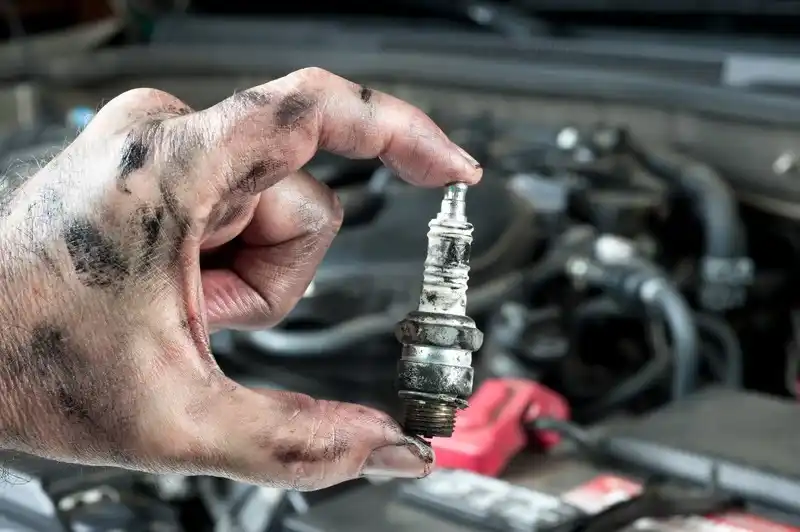
Spark plugs are small components, but they play a major role in how your engine runs. They create the spark that ignites the air-fuel mixture inside the combustion chamber. Without them, a gasoline engine simply cannot function.
Spark Plug DIY is one of the most practical maintenance skills a beginner can learn. It is relatively simple, requires basic tools, and can save money compared to workshop servicing. More importantly, it helps you understand your engine better and recognize early signs of performance issues.
Replacing spark plugs at home also improves engine reliability when done correctly. Many drivers ignore spark plug maintenance until problems appear. Learning this process early helps prevent misfires, poor fuel economy, and rough engine performance.
How Spark Plugs Affect Engine Performance
Spark plugs are directly connected to engine power, efficiency, and smooth operation. Even small wear can affect how the engine behaves.
Ignition Process and Combustion Basics
Inside the engine, fuel and air are compressed in a cylinder. The spark plug produces a high-voltage spark that ignites this mixture. This controlled explosion generates the power that moves the vehicle.
If the spark is weak or inconsistent, combustion becomes inefficient. This leads to reduced power output and unstable engine behavior.
Impact on Fuel Efficiency and Power Delivery
Healthy spark plugs ensure complete combustion. This means more energy is extracted from every drop of fuel. Worn plugs can cause incomplete burning, which increases fuel consumption.
Drivers often notice sluggish acceleration when spark plugs start failing. The engine may feel less responsive, especially during uphill driving or overtaking.
Symptoms of Weak or Worn Spark Plugs
Common symptoms include rough idling, engine hesitation, and difficulty starting the vehicle. In some cases, the check engine light may appear due to misfires.
These signs usually develop gradually, making them easy to ignore until performance drops significantly.
When Should You Replace Spark Plugs?
Spark plug replacement intervals depend on the type of plug and engine design. Most manufacturers recommend replacement between 30,000 and 100,000 kilometers.
Driving habits also matter. Frequent short trips, heavy traffic, and aggressive driving can shorten spark plug lifespan.
Performance issues are often the first indicator. If you notice reduced fuel efficiency or engine misfires, it may be time for a Spark Plug DIY replacement.
Tools and Materials Needed for Spark Plug DIY
Before starting, it is important to gather the right tools. Proper preparation makes the job smoother and reduces the risk of damage.
Essential Hand Tools for the Job
You typically need a socket wrench, spark plug socket, extension bar, and torque wrench. These tools allow safe removal and installation without damaging engine threads.
A gap tool may also be required if new spark plugs are not pre-gapped.
Choosing the Right Spark Plugs for Your Engine
Not all spark plugs are the same. You must choose the correct type based on your engine specifications. Using the wrong plug can cause poor performance or even engine damage.
Always refer to the manufacturer’s recommendation before purchasing replacements.
Safety Gear and Preparation Steps
Basic safety gear includes gloves and eye protection. It is also important to work on a cool engine to avoid burns or injury.
Disconnecting the battery is recommended in some vehicles for additional safety.
Step-by-Step Spark Plug DIY Replacement Process
Replacing spark plugs at home follows a structured process. Working carefully is more important than working quickly.
Preparing the Engine and Removing Covers
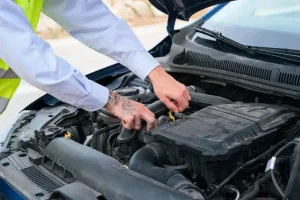
Start by opening the hood and locating the ignition coils or spark plug wires. Some engines may require removal of plastic covers to access the plugs.
Keep all removed parts organized to avoid confusion during reassembly.
Removing Old Spark Plugs Safely
Disconnect ignition coils or wires before removing the plugs. Use a spark plug socket with an extension to carefully loosen each plug.
Avoid forcing stuck plugs, as this can damage the cylinder head threads.
Inspecting and Installing New Spark Plugs
Before installation, inspect the old plugs. Their condition can reveal engine health issues such as oil burning or rich fuel mixture.
Install new plugs carefully by hand first to avoid cross-threading. Then tighten using a torque wrench to manufacturer specifications.
Correct Torque and Reassembly Guidelines
Proper torque is critical. Over-tightening can damage threads, while under-tightening can cause poor sealing and heat loss.
Once installed, reconnect ignition coils or wires and reassemble any removed covers.
Common Mistakes in Spark Plug DIY Repairs
One of the most common mistakes is over-tightening spark plugs. This can strip threads and lead to expensive repairs.
Another issue is using incorrect spark plug types. Even small differences in heat range or design can affect performance.
Some beginners also forget to inspect ignition coils. Worn coils can mimic spark plug problems, leading to incomplete repairs.
Signs You Did the Job Correctly
After completing Spark Plug DIY correctly, the engine should feel noticeably smoother.
Smooth Engine Idle and Acceleration
A properly tuned engine idles smoothly without vibrations. Acceleration becomes more consistent and responsive.
Improved Fuel Economy and Response
Many drivers notice slight improvements in fuel efficiency. The engine uses fuel more effectively with clean ignition.
Absence of Misfires or Warning Lights
The check engine light should remain off. Engine misfires should also disappear after correct installation.
Troubleshooting After Spark Plug Replacement
Sometimes issues appear even after replacement. This usually points to related ignition system problems.
Engine misfires may be caused by faulty ignition coils rather than spark plugs. Inspecting these components is important.
Incorrect spark plug gap settings can also cause performance issues. Always verify specifications before installation.
Loose connections or damaged wiring may also contribute to problems after installation.
Spark Plug Maintenance Tips for Longer Engine Life
Regular inspection helps extend spark plug life. Checking condition during routine servicing can prevent unexpected issues.
Fuel quality also plays a role. Poor-quality fuel can create deposits that reduce spark efficiency.
Driving habits matter as well. Consistent high-load driving or frequent short trips can increase wear.
Keeping the ignition system clean and dry helps maintain reliable performance over time.
Cost Savings and Benefits of Spark Plug DIY
Spark Plug DIY offers significant cost savings compared to workshop replacement. Labor charges often exceed the cost of parts.
Doing the job yourself also gives better understanding of engine condition. You can identify issues early before they become serious.
Over time, this knowledge helps reduce maintenance costs and improves vehicle reliability.
Spark Plug DIY for Different Engine Types
Different engine layouts affect how difficult the job is.
Four-Cylinder Engines
Four-cylinder engines are usually the easiest for beginners. Spark plugs are accessible and simple to replace.
V6 and V8 Engine Layout Considerations
Larger engines may have harder-to-reach plugs. Some may require removing intake components for access.
Turbocharged Engines and Extra Precautions
Turbocharged engines run hotter and may use specialized plugs. Extra care is needed to avoid damaging sensitive components.
Advanced Tips for Better Spark Plug Performance
Proper gap setting is important for ignition efficiency. Always follow manufacturer specifications.
Anti-seize compounds are sometimes used on threads, but not always recommended for modern plugs. Overuse can affect torque accuracy.
Performance spark plugs may improve combustion stability in certain engines, but compatibility is essential.
Safety Precautions During Spark Plug DIY
Always work on a cool engine to avoid burns. Hot components can cause serious injury.
Never force spark plugs during removal or installation. This can damage the engine head.
Avoid contact with ignition systems while the engine is running. High voltage can be dangerous.
Conclusion
Spark Plug DIY is one of the most valuable beginner maintenance skills for any vehicle owner. It improves engine performance, saves money, and builds confidence in basic automotive care.
Understanding how spark plugs work and how to replace them safely helps prevent common engine problems like misfires and poor fuel economy.
With proper tools, careful handling, and attention to detail, even beginners can complete this task successfully. Regular maintenance ensures smoother driving, better efficiency, and longer engine life.