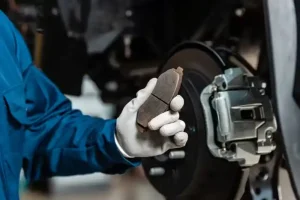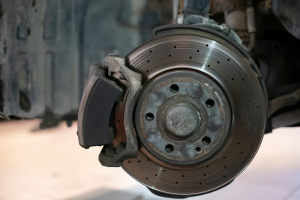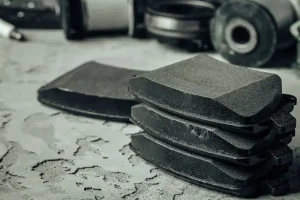

A vehicle’s braking system is one of its most important safety components, directly affecting control, stopping power, and overall driving confidence. While engines often receive most of the attention when discussing automotive performance, brakes play an equally critical role in determining how effectively a vehicle can accelerate, corner, and stop. Among the various components of a braking system, brake pads are particularly significant because they create the friction necessary to slow or stop a vehicle.
Performance brake pads have become increasingly popular among both automotive enthusiasts and everyday drivers. Many vehicle owners upgrade from factory-installed brake pads to aftermarket performance options in search of improved stopping power, enhanced durability, reduced brake fade, and better overall braking performance. However, selecting the right brake pad requires understanding that different products are designed for different driving conditions.
Daily driving and racing place very different demands on brake systems. A commuter vehicle operating in city traffic requires brake pads that offer quiet operation, low dust production, reliable cold-temperature performance, and long service life. Racing vehicles, on the other hand, prioritize maximum friction, heat resistance, and consistent performance under extreme conditions, often sacrificing comfort and longevity in the process.
Brake pad technology has evolved significantly over the years. Manufacturers now offer a wide range of compounds engineered to meet specific performance goals. Common categories include organic brake pads, semi-metallic brake pads, ceramic brake pads, and specialized racing compounds. Each material possesses unique characteristics that influence braking feel, noise levels, heat management, rotor wear, and overall performance.
Choosing the wrong type of brake pad can negatively affect both safety and driving experience. Track-oriented brake pads may perform poorly during normal street driving because they require high temperatures to function effectively. Conversely, street-focused brake pads may struggle under repeated high-speed braking conditions encountered during racing or performance driving events.
Understanding which types of performance brake pads are best for daily driving and racing helps vehicle owners make informed decisions that align with their driving habits, performance goals, and safety requirements. By examining the characteristics of various brake pad materials and applications, drivers can select products that provide the optimal balance between performance, comfort, durability, and reliability.
Understanding How Brake Pads Work
Before comparing brake pad types, it is important to understand their role.
Friction Generation
Brake pads create friction against the rotor.
Energy Conversion
Kinetic energy is converted into heat.
Vehicle Deceleration
The vehicle slows or stops.
Safety Function
Brake pads are critical for vehicle control.
Why Brake Pad Selection Matters
Not all brake pads perform the same way.
Driving Conditions
Different environments create different demands.
Heat Management
Performance varies at different temperatures.
Durability
Materials wear at different rates.
Comfort
Noise and dust production differ significantly.
Key Characteristics of Performance Brake Pads
Several factors influence brake pad performance.
Friction Level
Determines stopping capability.
Heat Resistance
Affects performance during repeated braking.
Wear Rate
Influences lifespan.
Rotor Compatibility
Impacts brake system maintenance.
Organic Brake Pads
Organic pads are among the oldest brake pad designs.
Material Composition
Made from non-metallic materials.
Quiet Operation
Produce minimal noise.
Smooth Feel
Provide comfortable braking.
Affordable Cost
Often less expensive than alternatives.
Advantages of Organic Brake Pads
Several benefits make them appealing.
Low Noise
Brake operation remains quiet.
Rotor Friendly
Cause less rotor wear.
Comfortable Performance
Suitable for normal driving.
Cost Effectiveness
Generally budget-friendly.
Disadvantages of Organic Brake Pads
They also have limitations.
Faster Wear
Lifespan may be shorter.
Heat Sensitivity
Performance declines under heavy use.
Reduced High-Performance Capability
Not ideal for aggressive driving.
Limited Racing Suitability
Cannot handle extreme conditions effectively.
Semi-Metallic Brake Pads
Semi-metallic pads are widely used in performance applications.
Metal Content
Contain metal fibers and fillers.
Improved Heat Management
Handle higher temperatures effectively.
Strong Braking Performance
Provide reliable stopping power.
Broad Versatility
Suitable for many driving situations.
Advantages of Semi-Metallic Brake Pads
These pads offer several strengths.
Better Heat Resistance
Performance remains consistent.
Strong Friction Levels
Stopping power improves.
Durability
Wear resistance is generally good.
Performance Capability
Suitable for spirited driving.
Disadvantages of Semi-Metallic Brake Pads
Certain trade-offs exist.
Increased Noise
Brake squeal may occur.
More Dust
Wheels may require frequent cleaning.
Rotor Wear
Metal content can increase rotor abrasion.
Reduced Comfort
Operation may feel harsher than ceramic options.
Ceramic Brake Pads
Ceramic brake pads are highly popular among modern drivers.
Advanced Materials
Contain ceramic compounds and fine fibers.
Clean Operation
Produce less visible dust.
Quiet Performance
Noise levels remain low.
Excellent Street Use
Ideal for many daily-driven vehicles.
Advantages of Ceramic Brake Pads
Ceramic pads provide numerous benefits.
Low Dust Production
Wheels stay cleaner.
Quiet Braking
Noise is minimized.
Long Lifespan
Durability is often excellent.
Consistent Performance
Operate well under normal driving conditions.
Disadvantages of Ceramic Brake Pads
Ceramic technology also has limitations.
Higher Cost
Often more expensive.
Extreme Heat Limitations
May not perform optimally under severe racing conditions.
Less Aggressive Bite
Initial braking response can feel softer.
Specialized Applications
Track enthusiasts may prefer other compounds.
Low-Metallic Brake Pads
Low-metallic compounds blend organic materials with metal content.
Enhanced Friction
Provide stronger braking performance.
Improved Heat Dissipation
Manage temperatures effectively.
Responsive Feel
Offer strong pedal feedback.
Street Performance Focus
Common among enthusiasts.
Benefits of Low-Metallic Brake Pads
Several advantages make them attractive.
Strong Stopping Power
Braking performance improves.
Better Heat Resistance
Compared to purely organic compounds.
Enhanced Driver Feedback
Pedal feel becomes more precise.
Performance-Oriented Design
Suitable for spirited driving.
Drawbacks of Low-Metallic Pads
Trade-offs should be considered.
Increased Noise
May produce noticeable sounds.
Higher Dust Levels
Wheel cleaning becomes more frequent.
Rotor Wear
Metal content increases abrasion.
Comfort Reduction
Street refinement may decrease.
Track-Focused Racing Brake Pads
Racing brake pads prioritize performance above all else.
High Friction Levels
Maximum stopping capability.
Extreme Heat Resistance
Designed for repeated high-speed braking.
Consistent Performance
Operate under demanding conditions.
Competitive Applications
Built specifically for motorsports.
Why Racing Pads Differ from Street Pads
Track environments create unique demands.
Higher Temperatures
Brakes generate extreme heat.
Repeated Hard Braking
Performance must remain consistent.
Maximum Grip Requirements
Stopping distances become critical.
Competitive Performance
Drivers require precision and reliability.
Advantages of Racing Brake Pads
Track compounds provide substantial benefits.
Exceptional Heat Capacity
Resist brake fade effectively.
Strong Friction
Deliver powerful stopping force.
Consistent Performance
Remain reliable under stress.
Motorsport Suitability
Ideal for competitive driving.
Disadvantages of Racing Brake Pads
Racing pads are not ideal for every driver.
Poor Cold Performance
Require heat to function properly.
Increased Noise
Often generate significant squeal.
Higher Wear Rates
May wear more quickly.
Reduced Street Comfort
Not optimized for daily commuting.
What Is Brake Fade?
Brake fade is a critical performance concern.
Heat Buildup
Excessive temperatures reduce effectiveness.
Friction Loss
Stopping power declines.
Safety Concerns
Vehicle control becomes more difficult.
Performance Importance
Heat management becomes essential.
Heat Resistance and Brake Performance
Temperature management influences braking consistency.
Daily Driving
Heat levels remain relatively moderate.
Aggressive Driving
Temperatures rise significantly.
Track Conditions
Heat becomes extreme.
Material Selection
Brake pad composition matters.
Best Brake Pads for Daily Driving
Most daily drivers prioritize comfort and reliability.
Ceramic Pads
Popular for quiet operation and cleanliness.
Premium Semi-Metallic Pads
Provide strong performance with reasonable comfort.
Balanced Characteristics
Comfort and stopping power coexist.
Long-Term Value
Durability remains important.
Why Ceramic Pads Excel for Commuters
Many daily drivers choose ceramic options.
Low Maintenance
Dust production remains minimal.
Quiet Operation
Noise levels stay low.
Consistent Braking
Performance remains reliable.
Long Service Life
Replacement intervals may be extended.
Best Brake Pads for Performance Street Cars
Enthusiast vehicles often require additional capability.
Semi-Metallic Pads
Popular among performance drivers.
Low-Metallic Compounds
Provide stronger braking response.
Improved Heat Management
Handle spirited driving better.
Balanced Performance
Street usability remains acceptable.
Best Brake Pads for Track Days
Track events require specialized solutions.
Performance Compounds
Designed for elevated temperatures.
Fade Resistance
Remain effective under stress.
Consistent Braking
Support aggressive driving.
Motorsport Capability
Built for demanding conditions.
Dedicated Racing Brake Pads
Competitive motorsports require maximum performance.
High-Temperature Operation
Perform best under intense heat.
Maximum Friction
Deliver exceptional stopping power.
Specialized Design
Focused exclusively on racing.
Competitive Advantage
Support high-performance driving.
Matching Brake Pads to Driving Style
Driving habits should guide selection.
Commuters
Prioritize comfort and longevity.
Enthusiasts
Seek stronger braking performance.
Track Drivers
Require heat resistance.
Racers
Need maximum stopping capability.
The Importance of Rotor Compatibility
Brake pads and rotors must work together.
System Performance
Compatibility affects braking quality.
Wear Characteristics
Materials influence longevity.
Heat Management
Components interact closely.
Maintenance Costs
Improper combinations increase expenses.
Noise and Dust Considerations
Comfort remains important for many drivers.
Ceramic Advantages
Lower dust and noise.
Semi-Metallic Trade-Offs
Performance often comes with increased dust.
Racing Pad Characteristics
Noise is common.
Personal Preferences
Driver priorities vary.
Brake Pad Lifespan
Different compounds wear differently.
Ceramic Durability
Often lasts longer.
Organic Wear Rates
Typically wear more quickly.
Racing Compounds
May sacrifice longevity for performance.
Maintenance Planning
Replacement intervals vary.
Cost Versus Performance
Budget influences purchasing decisions.
Entry-Level Options
Affordable but less specialized.
Premium Street Pads
Offer balanced performance.
Performance Upgrades
Higher costs often provide additional capability.
Racing Solutions
Typically represent the highest investment.
Frequently Asked Questions
What brake pads are best for daily driving?
Ceramic brake pads are often considered the best option for daily driving due to their quiet operation, low dust production, and durability.
Are semi-metallic brake pads better than ceramic pads?
Semi-metallic pads generally offer stronger performance under aggressive driving conditions, while ceramic pads prioritize comfort and cleanliness.
Can racing brake pads be used on the street?
They can be used, but many racing pads perform poorly when cold and may generate excessive noise and dust.
What causes brake fade?
Brake fade occurs when excessive heat reduces friction and braking effectiveness.
Which brake pads are best for track use?
Track-focused semi-metallic and racing compounds are typically preferred because of their superior heat resistance and fade resistance.
Final Thoughts
The best performance brake pads for daily driving and racing depend entirely on how a vehicle is used. Daily commuters generally benefit most from ceramic brake pads because they offer quiet operation, low dust production, excellent durability, and reliable performance under normal driving conditions. Performance-oriented street drivers often prefer semi-metallic or low-metallic compounds that provide stronger braking response and improved heat management while remaining practical for everyday use.
For track days and competitive racing, specialized performance and racing brake pads become essential. These compounds are engineered to withstand extreme temperatures, resist brake fade, and deliver consistent stopping power under demanding conditions. While they may sacrifice comfort, noise levels, and longevity, they provide the performance necessary for high-speed driving environments. By matching brake pad selection to driving style, performance goals, and vehicle requirements, drivers can achieve the ideal balance between safety, comfort, durability, and braking performance.