The cooling system is one of the most critical systems in any vehicle, and the water pump serves as its central circulatory component. Without a properly functioning water pump, coolant cannot move efficiently through the engine, radiator, heater core, and associated cooling passages. This circulation process regulates engine temperature and prevents overheating during normal operation. Water Pump Failure can quickly disrupt this balance, leading to performance issues, expensive repairs, and potentially catastrophic engine damage. Modern engines operate within precise temperature ranges to maximize efficiency, emissions compliance, and reliability. When coolant circulation is interrupted, temperatures can rise rapidly and place excessive stress on critical engine components. Understanding the role of the water pump is the first step toward recognizing the importance of early diagnosis and proper maintenance.
How a Vehicle Water Pump Operates
A water pump functions by continuously moving coolant through the cooling system. As the engine runs, coolant absorbs heat generated by combustion and transfers that heat to the radiator, where it is released into the surrounding air. The water pump ensures this cycle remains uninterrupted. The thermostat works closely with the pump by controlling coolant flow based on engine temperature. When the engine is cold, the thermostat restricts coolant circulation to help the engine reach operating temperature quickly. Once the engine warms up, the thermostat opens, allowing full coolant flow through the radiator. Vehicles may use either mechanical or electric water pumps. Traditional mechanical pumps are driven by the engine through a belt system, while many modern BMW models and other advanced vehicles utilize electric pumps controlled by the vehicle’s electronics. Electric designs offer greater efficiency and more precise temperature management but can introduce unique failure points.
What Is Water Pump Failure?
Water Pump Failure occurs when the pump can no longer circulate coolant effectively throughout the cooling system. The failure may be sudden or gradual, depending on the underlying cause. In some cases, internal bearings wear out over time, creating excessive play and reducing efficiency. In others, seals deteriorate and allow coolant to leak from the pump housing. Electric water pumps may fail because of motor problems, electrical faults, or control module issues. Regardless of the cause, the result is reduced coolant circulation and a higher risk of overheating. Modern cooling systems are highly dependent on proper coolant flow, which means even a partially failing pump can create significant performance and reliability concerns. BMW vehicles are particularly known for relying on sophisticated cooling systems that demand precise operation, making water pump health especially important.
The Most Common Causes of Water Pump Failure
Several factors contribute to Water Pump Failure. Understanding these causes can help vehicle owners identify problems early and reduce the likelihood of unexpected breakdowns.
Bearing Wear and Internal Damage
One of the most common causes of failure is bearing wear. Water pump bearings support the pump shaft and impeller while allowing smooth rotation. Over time, continuous operation and heat exposure can degrade bearing surfaces. As wear progresses, unusual noises may develop, and the pump’s ability to circulate coolant may decline. Severe bearing failure can eventually cause the pump shaft to wobble or seize completely.
Seal Deterioration and Coolant Leaks
Water pumps contain seals that prevent coolant from escaping. These seals operate in a harsh environment that includes heat, pressure, and chemical exposure. As seals age, they may crack, harden, or deteriorate. Coolant leaks often begin as minor seepage but can become significant over time. Once coolant levels drop below safe limits, cooling system performance suffers and overheating risks increase.
Contaminated or Incorrect Coolant
Coolant quality plays a major role in water pump longevity. Using the wrong coolant type or mixing incompatible formulations can accelerate corrosion and damage internal components. Contaminated coolant containing rust, debris, or mineral deposits may also reduce pump efficiency and contribute to premature wear. Regular coolant maintenance is essential for preserving cooling system health.
Excessive Heat and System Stress
Engines that operate under extreme conditions place greater demands on cooling system components. High-performance driving, towing, heavy loads, and prolonged operation in hot climates can accelerate water pump wear. Elevated temperatures increase stress on bearings, seals, and electronic components, shortening service life.
Early Warning Signs Drivers Should Never Ignore
Water Pump Failure often provides warning signs before complete failure occurs. Recognizing these symptoms early can prevent extensive damage and reduce repair costs.
Unusual engine temperature fluctuations are among the earliest indicators. A temperature gauge that rises unexpectedly or behaves inconsistently may suggest reduced coolant circulation. Coolant puddles beneath the vehicle are another common warning sign. Leaks near the front of the engine often point toward a failing water pump seal. Drivers may also hear grinding, whining, or squealing noises originating from the engine bay. These sounds frequently indicate bearing wear within the pump assembly. Dashboard warning lights related to engine temperature or cooling system performance should never be ignored. Modern vehicles use sophisticated monitoring systems that can detect cooling system abnormalities before severe overheating occurs.
Symptoms of Advanced Water Pump Failure
As Water Pump Failure progresses, symptoms typically become more severe and difficult to ignore.
Engine Overheating Events
Persistent overheating is one of the most serious consequences of a failing water pump. Without adequate coolant circulation, engine temperatures can rise rapidly. Overheating places tremendous stress on engine components and significantly increases the risk of major mechanical damage.
Reduced Cabin Heater Performance
The vehicle’s heater relies on hot coolant flowing through the heater core. If coolant circulation is restricted, the cabin heating system may produce weak or inconsistent heat. Drivers often notice this symptom during colder months.
Visible Steam From the Engine Bay
Severe overheating or coolant leaks may cause steam to emerge from beneath the hood. This indicates that coolant is escaping or boiling due to excessive temperatures. Steam should always be treated as a serious warning sign requiring immediate attention.
How Water Pump Failure Affects the Entire Cooling System
A failing water pump does not operate in isolation. Reduced coolant flow affects every component within the cooling system. The radiator becomes less effective because coolant is not circulating efficiently. Thermostat operation may become erratic as temperature fluctuations increase. Hoses and seals experience additional stress as temperatures and pressures vary unexpectedly. Continued operation under these conditions can damage head gaskets, warp cylinder heads, and compromise engine integrity. In severe cases, overheating may result in complete engine failure. This interconnected nature of cooling systems highlights why early intervention is so important.
BMW-Specific Water Pump Issues and Considerations
BMW vehicles have earned a reputation for advanced engineering, but certain models have also become known for water pump-related issues. Many modern BMW engines utilize electric water pumps rather than traditional mechanical designs. While these pumps improve efficiency and allow more precise thermal management, they can fail unexpectedly due to electronic component degradation. Certain BMW engine families have experienced higher-than-average water pump replacement rates, particularly as mileage accumulates. Cooling system design complexity also means that diagnosing failures often requires specialized equipment and expertise. BMW owners should pay close attention to cooling system warnings and maintenance schedules to minimize risks.
Diagnosing Water Pump Failure Correctly
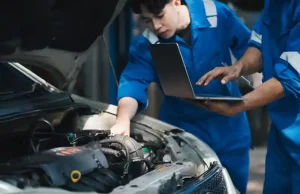
Accurate diagnosis is essential because several cooling system problems can produce similar symptoms. Visual inspections often reveal coolant leaks, damaged pump housings, or evidence of dried coolant residue. Technicians may also inspect coolant flow patterns to verify proper circulation. Modern vehicles provide diagnostic data through onboard computer systems. Fault codes can help identify electric water pump failures, communication issues, or performance abnormalities. It is also important to distinguish water pump problems from thermostat failures, radiator restrictions, or coolant sensor malfunctions. A systematic diagnostic approach prevents unnecessary parts replacement and ensures the root cause is addressed correctly.
Repair Options for a Failed Water Pump
Once Water Pump Failure has been confirmed, replacement is typically the recommended solution. Most water pumps are not designed for internal repair, making complete assembly replacement the most practical option. During replacement, technicians often recommend replacing related components such as thermostats, drive belts, tensioners, or coolant hoses. Addressing these items simultaneously can reduce future labor costs and improve overall reliability. Vehicle owners must also decide between OEM and aftermarket replacement parts. OEM components provide factory-level compatibility and quality assurance, while reputable aftermarket options may offer cost savings or performance enhancements. The best choice depends on vehicle requirements, budget considerations, and long-term ownership goals.
The Risks of Delaying Water Pump Repairs
Ignoring Water Pump Failure rarely saves money. Minor issues can escalate rapidly into major repairs. A small coolant leak may eventually cause significant coolant loss and overheating. Continued operation with a failing pump increases stress on engine components and raises the likelihood of secondary failures. Head gasket damage is one of the most common consequences of prolonged overheating. Repairing a damaged head gasket often costs substantially more than replacing a water pump. In extreme situations, severe overheating can damage pistons, cylinder heads, and engine blocks. Prompt repairs help avoid these expensive outcomes and preserve vehicle reliability.
Preventive Maintenance Strategies
Preventive maintenance remains the most effective way to reduce the likelihood of Water Pump Failure. Regular coolant service helps maintain proper lubrication and corrosion protection within the cooling system. Following manufacturer-recommended coolant replacement intervals is essential. Routine inspections can identify leaks, worn hoses, deteriorated belts, and other warning signs before they become serious problems. Monitoring engine temperature trends is also valuable. Small changes in operating temperature may indicate developing issues long before a warning light appears. Preventive maintenance not only extends water pump life but also protects the entire cooling system.
Coolant Service Intervals
Maintaining fresh coolant helps preserve pump seals, bearings, and internal passages. Proper coolant chemistry reduces corrosion and prevents harmful deposits from forming within the system.
Routine Cooling System Inspections
Regular inspections allow technicians to identify leaks, wear, and component degradation before failures occur. Early detection often reduces repair costs significantly.
Monitoring Temperature and Performance Trends
Drivers should become familiar with their vehicle’s normal operating temperature. Unexpected changes can provide valuable clues regarding cooling system health.
Understanding Repair Costs and Value
Water pump replacement costs vary depending on vehicle design, labor requirements, and component selection. Mechanical pumps are often less expensive to replace than electric pumps due to simpler designs. BMW vehicles frequently require more labor-intensive procedures and specialized diagnostic equipment, increasing repair expenses. While replacement costs may seem significant, they are often minor compared to the potential cost of engine repairs resulting from overheating. Viewing water pump replacement as a preventive investment rather than an unexpected expense helps put repair costs into perspective.
Future Trends in Automotive Cooling Systems
Automotive cooling technology continues evolving as manufacturers pursue greater efficiency and performance. Advanced electric water pumps are becoming increasingly common because they allow precise control over coolant flow and reduce parasitic engine losses. Smart monitoring systems are also improving. Future vehicles may use predictive maintenance technology to detect component wear before failures occur. Enhanced cooling strategies will become even more important as engines operate at higher efficiencies and tighter tolerances. These innovations aim to improve reliability while supporting stricter emissions and fuel economy standards.
Conclusion
Water Pump Failure is one of the most important cooling system issues vehicle owners can encounter. Because the water pump plays a central role in regulating engine temperature, even minor problems can quickly develop into major mechanical concerns. Understanding the causes, symptoms, and repair options associated with water pump failure helps drivers respond appropriately when warning signs appear. Early diagnosis, prompt repairs, and consistent preventive maintenance are the most effective strategies for protecting both the cooling system and the engine itself. Whether driving a BMW or any other modern vehicle, maintaining a healthy water pump is essential for long-term reliability, performance, and peace of mind.