Few vehicle components are more important than the braking system. Drivers often focus on horsepower, acceleration, and handling upgrades, but stopping power deserves equal attention. A vehicle that accelerates quickly but struggles to stop safely creates unnecessary risks. This is where Performance Brake Pads become valuable.
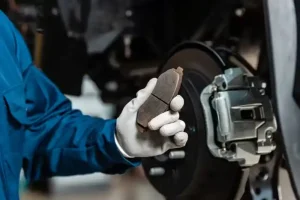
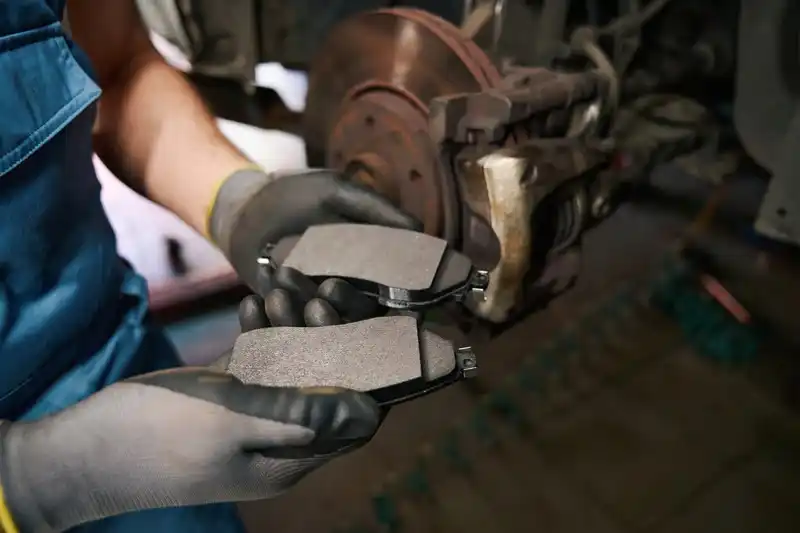
Performance Brake Pads are designed to deliver stronger, more consistent braking than many standard factory-installed options. They use advanced friction materials and engineering techniques to improve stopping performance under demanding conditions. Whether you drive a daily commuter, a performance vehicle, a truck used for towing, or a track-focused machine, upgrading brake pads can significantly influence both safety and driving confidence.
The right brake pads do more than shorten stopping distances. They improve pedal feel, resist heat buildup, reduce brake fade, and provide greater consistency during repeated braking events. Understanding how these components work and how to choose the correct option can help drivers make informed decisions that improve both performance and safety.
Understanding How Brake Pads Work
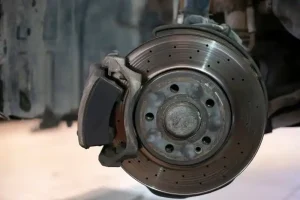
Brake pads are a critical part of a vehicle’s braking system. Every time the brake pedal is pressed, the pads create friction against the brake rotors. This friction converts kinetic energy into heat, slowing the vehicle and eventually bringing it to a stop.
The Friction Process Explained
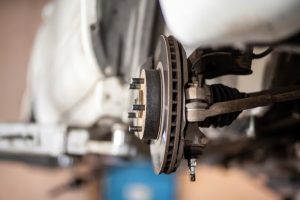
When the brake pedal is applied, hydraulic pressure forces the brake calipers to squeeze the brake pads against the rotor surface. The resulting friction slows the rotation of the wheels. The effectiveness of this process depends largely on the quality and composition of the brake pad material.
Different compounds generate different levels of friction. Higher-quality materials often provide stronger braking performance while maintaining consistency under varying temperatures and driving conditions.
Interaction Between Pads and Rotors
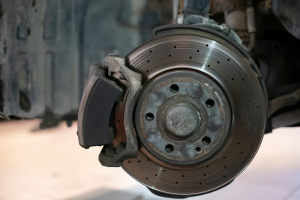
Brake pads and rotors work together as a system. The pad compound transfers a thin layer of friction material onto the rotor surface. This interaction helps create predictable braking performance and smooth operation.
A mismatch between rotor design and brake pad material can negatively affect braking efficiency. For this reason, compatibility is an important consideration when upgrading brake components.
Heat Generation During Braking
Heat is a natural byproduct of braking. Under normal conditions, the braking system dissipates heat effectively. However, aggressive driving, towing, mountain descents, or track use can generate temperatures that exceed the capabilities of standard brake pads.
When temperatures rise beyond design limits, braking performance can deteriorate rapidly. Performance Brake Pads are specifically engineered to manage these higher heat levels.
Signs Your Factory Brake Pads May Be Holding You Back
Factory brake pads are designed to satisfy a broad range of drivers. Manufacturers often prioritize low noise, comfort, and cost efficiency rather than maximum braking performance.
One common sign that factory pads may be limiting performance is inconsistent braking during repeated stops. Drivers may notice that pedal feel changes as temperatures increase.
Another indicator is excessive brake fade during demanding situations. Long downhill descents, spirited driving, or towing can overwhelm standard brake compounds.
Increased stopping distances under heavy loads also suggest that the factory setup may not provide sufficient friction. Drivers who frequently transport cargo, tow trailers, or drive in mountainous regions often benefit from upgraded brake pad compounds.
Performance-focused drivers may also notice delayed brake response when entering corners or executing emergency stops. These situations highlight the limitations of many original equipment brake pads.
What Makes Performance Brake Pads Different?
Performance Brake Pads differ from standard options primarily because of their materials and engineering priorities.
Advanced Friction Materials
Manufacturers use specialized compounds designed to deliver higher friction levels across a broader temperature range. These materials help improve braking force while maintaining consistency during demanding conditions.
Advanced compounds often include ceramic, semi-metallic, carbon-based, or hybrid formulations. Each offers unique advantages depending on vehicle use and driver expectations.
Improved Heat Resistance
Heat is the enemy of consistent braking performance. As temperatures rise, standard brake pads can lose effectiveness. Performance compounds are designed to maintain friction characteristics even when exposed to extreme heat.
This thermal stability improves driver confidence and reduces performance degradation during repeated braking events.
Enhanced Pedal Feel and Response
Many drivers upgrade to Performance Brake Pads because they improve brake pedal feedback. Better pedal feel allows drivers to apply braking force more precisely.
This improved communication between driver and vehicle contributes to better control during both normal driving and emergency situations.
The Main Types of Performance Brake Pads
Not all Performance Brake Pads are the same. Understanding the major categories helps drivers select the most appropriate option.
Ceramic Performance Brake Pads
Ceramic brake pads are known for smooth operation, low noise levels, and reduced brake dust. They perform well across a wide range of temperatures and are popular among daily drivers seeking improved braking without sacrificing comfort.
These pads generally offer excellent longevity and predictable performance under normal and moderately aggressive driving conditions.
Semi-Metallic Performance Brake Pads
Semi-metallic compounds contain metal fibers that enhance heat transfer and braking power. These pads typically provide stronger bite and better high-temperature performance than many ceramic alternatives.
They are commonly used in performance vehicles and heavy-duty applications where consistent stopping power is critical.
Carbon-Based and Specialty Compounds
High-performance and racing applications often utilize carbon-based materials. These compounds are engineered for extreme conditions and can deliver exceptional braking performance when properly heated.
However, they may not be ideal for everyday driving because they often require specific operating temperatures to perform optimally.
Choosing the Right Performance Brake Pads for Your Driving Style
Selecting the correct brake pad requires an honest assessment of how the vehicle is used.
Daily commuters benefit from compounds that prioritize consistent performance, low noise, and long service life. Ceramic-based performance pads often fit these requirements well.
Drivers who enjoy spirited weekend driving may prefer semi-metallic compounds that offer stronger initial bite and improved heat resistance.
Track enthusiasts require specialized pads capable of withstanding extreme temperatures generated during repeated high-speed braking. Track-oriented compounds emphasize maximum performance rather than comfort.
Truck owners and towing enthusiasts should focus on heat management and load-handling capabilities. Heavy vehicles place significant demands on braking systems, making high-temperature stability particularly important.
The most expensive option is not always the best choice. The ideal brake pad matches the vehicle’s intended use.
Key Benefits of Upgrading to Performance Brake Pads
Performance Brake Pads offer several advantages beyond simple stopping distance improvements.
Stronger and More Consistent Braking
Higher-quality friction materials provide more reliable braking performance. Consistency becomes especially important during repeated braking events where standard pads may begin losing effectiveness.
Drivers experience greater confidence when braking behavior remains predictable under varying conditions.
Better High-Temperature Performance
Heat resistance is one of the primary advantages of performance compounds. Maintaining friction levels at elevated temperatures helps prevent performance loss during demanding situations.
This capability is particularly valuable for mountain driving, towing, performance driving, and track use.
Improved Driver Confidence
Confidence behind the wheel often comes from knowing the vehicle will respond predictably. Improved pedal feel, stronger braking response, and reduced fade contribute to a more reassuring driving experience.
Many drivers consider this confidence one of the most valuable benefits of upgrading brake pads.
Factors That Affect Brake Pad Performance
Brake pad performance depends on more than just the pads themselves.
Vehicle weight significantly influences braking demands. Heavier vehicles generate more momentum and require greater stopping force.
Tire quality also affects braking effectiveness. Even the best brake pads cannot compensate for inadequate tire grip.
Suspension setup, road conditions, weather, and driving style all contribute to overall braking performance. Drivers should evaluate the entire system rather than focusing exclusively on one component.
Understanding these interactions helps ensure realistic expectations when upgrading brake pads.
Understanding Brake Fade and Thermal Management
Brake fade represents one of the most important reasons drivers upgrade to Performance Brake Pads.
Why Brake Fade Occurs
Brake fade occurs when excessive heat reduces the effectiveness of the friction material. As temperatures rise beyond design limits, the pad’s ability to generate friction decreases.
This results in longer stopping distances and reduced braking confidence.
How Performance Pads Reduce Fade
Performance compounds are engineered to maintain stable friction coefficients across wider temperature ranges. They resist thermal breakdown more effectively than standard materials.
This allows drivers to maintain braking performance even during aggressive use.
Managing Heat During Aggressive Driving
Effective thermal management extends beyond brake pad selection. Proper ventilation, quality rotors, brake fluid maintenance, and appropriate driving techniques all contribute to heat control.
Drivers who regularly encounter demanding conditions should evaluate the entire braking system rather than relying solely on pad upgrades.
Compatibility Considerations Before Upgrading
Brake pad upgrades should never be selected in isolation.
Rotor condition is particularly important. Worn or damaged rotors can compromise the effectiveness of new brake pads. Inspecting and replacing rotors when necessary helps maximize performance gains.
Vehicle manufacturers often provide recommended specifications regarding pad materials and performance characteristics. Reviewing these recommendations can prevent compatibility issues.
Drivers should also consider how upgraded pads interact with anti-lock braking systems, electronic stability controls, and other vehicle technologies.
A balanced approach ensures optimal results.
Installation Best Practices for Performance Brake Pads
Even the highest-quality brake pads cannot perform properly if installed incorrectly.
Preparation and Inspection Steps
Before installation, technicians should inspect rotors, calipers, hardware, and brake fluid condition. Addressing underlying issues prevents future performance problems.
Proper cleaning and preparation also help ensure smooth operation.
Proper Bedding-In Procedures
New brake pads require a bedding-in process. This procedure transfers friction material evenly onto the rotor surface and helps establish optimal braking characteristics.
Skipping this step can reduce performance and accelerate wear.
Common Installation Mistakes to Avoid
Improper lubrication, incorrect hardware installation, and failure to inspect related components are common errors. These mistakes can create noise, uneven wear, and reduced braking effectiveness.
Attention to detail during installation helps maximize the benefits of upgraded brake pads.
Maintenance Tips to Maximize Brake Pad Lifespan
Regular maintenance plays a major role in preserving braking performance.
Routine inspections help identify uneven wear, contamination, or damage before serious problems develop. Drivers should pay attention to changes in pedal feel, noise levels, and braking behavior.
Monitoring rotor condition is equally important. Excessively worn rotors can accelerate pad wear and reduce overall braking efficiency.
Brake fluid maintenance should not be overlooked. Contaminated fluid can negatively affect system performance and reduce reliability.
Preventive maintenance often proves more cost-effective than reactive repairs.
Common Myths About Performance Brake Pads
Several misconceptions surround Performance Brake Pads.
Bigger Performance Always Means Better Braking
Many drivers assume that the most aggressive pad compound automatically delivers the best results. In reality, brake pad selection should align with intended vehicle use.
A race-oriented pad may perform poorly during everyday driving.
Performance Pads Are Only for Racing
Performance brake technology benefits a wide range of drivers. Daily commuters, towing enthusiasts, and performance vehicle owners can all experience advantages from properly selected upgrades.
Improved safety is valuable regardless of driving style.
All Brake Pad Compounds Perform the Same
Different materials exhibit unique friction characteristics, temperature tolerances, and wear patterns. Selecting the appropriate compound significantly influences performance outcomes.
Understanding these differences is essential when evaluating upgrade options.
Evaluating Cost Versus Long-Term Value
Some drivers hesitate to upgrade because Performance Brake Pads often cost more than standard replacements.
However, evaluating only the purchase price can be misleading. Improved braking consistency, enhanced safety, reduced fade, and longer service life often justify the investment.
Higher-quality materials may also reduce wear on related components under certain conditions. This can lower maintenance costs over time.
When viewed from a long-term perspective, performance brake pads frequently provide strong value for drivers who demand reliable braking performance.
Future Innovations in Brake Pad Technology
Brake technology continues evolving alongside broader automotive advancements.
New Friction Material Development
Manufacturers are developing compounds that deliver stronger performance while reducing wear and environmental impact. Advanced materials may improve efficiency without compromising durability.
Environmentally Friendly Brake Components
Regulatory pressures are encouraging the development of cleaner brake materials. Future compounds will likely focus on reducing particulate emissions while maintaining performance standards.
Smart Monitoring and Predictive Maintenance
Emerging technologies may allow real-time monitoring of brake wear and performance. Predictive maintenance systems could alert drivers before issues affect safety or reliability.
These innovations have the potential to transform how braking systems are maintained and managed.
Conclusion
Performance Brake Pads represent one of the most effective upgrades available for improving vehicle safety and braking performance. By using advanced friction materials and superior thermal management capabilities, they provide stronger stopping power, greater consistency, and enhanced driver confidence.
Choosing the right compound requires careful consideration of driving habits, vehicle characteristics, and performance goals. Daily commuters, towing enthusiasts, and performance drivers all have different requirements, making proper selection essential.
While no single upgrade can solve every braking challenge, Performance Brake Pads offer a practical and proven way to improve control and safety. Combined with proper installation, maintenance, and supporting components, they can significantly enhance the overall driving experience while helping drivers maintain confidence in the moments that matter most.