When it comes to vehicle maintenance, few components are as crucial as the brakes. Among the various parts that make up your braking system, brake pads play a vital role in ensuring your safety on the road. Understanding when to replace your brake pads is essential for maintaining optimal vehicle performance and preventing accidents. In this guide, we will explore the signs that indicate you need brake pad replacement, empowering you to keep your vehicle in prime condition.
Understanding Brake Pads and Their Importance
What Are Brake Pads?
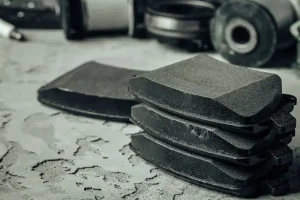
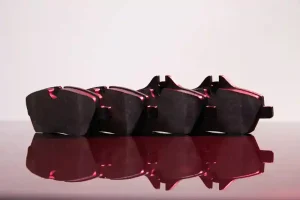
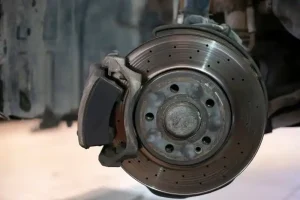
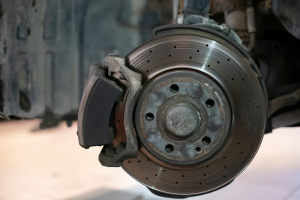
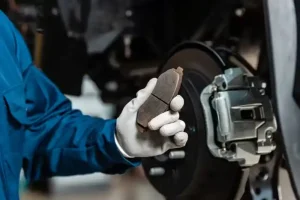
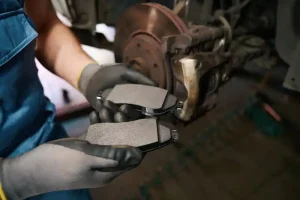
Brake pads are an integral part of your vehicle’s braking system. They are the components that press against the brake rotors to create the friction necessary to slow down or stop your vehicle. Made from various materials, including metal, ceramic, and organic compounds, brake pads are designed to withstand high levels of heat and pressure. Over time, however, these pads wear down, reducing their effectiveness and necessitating replacement.
How Brake Pads Function in Your Vehicle
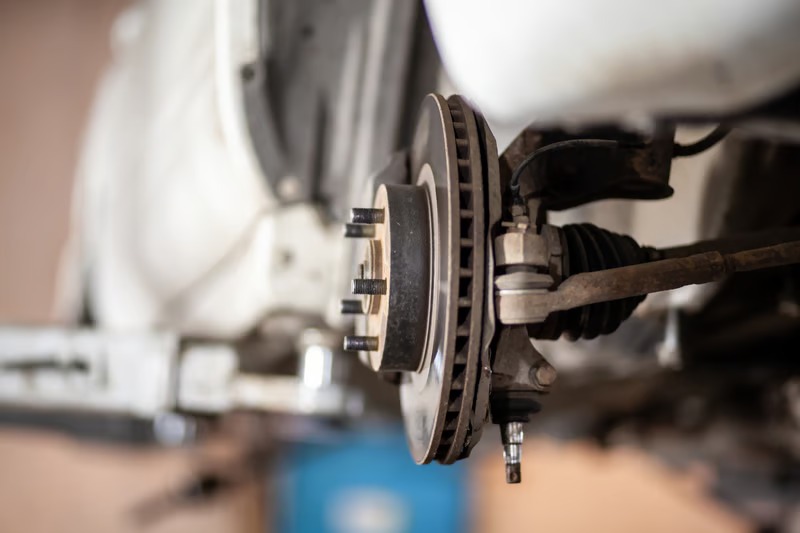
When you press the brake pedal, hydraulic pressure is applied to the brake calipers, which then clamp the brake pads against the rotors. This process generates friction, which slows the rotation of the wheels. The efficiency of this system relies heavily on the condition of the brake pads. Worn pads can lead to longer stopping distances, compromised safety, and increased wear on other braking components. Understanding how brake pads function highlights the importance of monitoring their condition and replacing them as needed.
Common Signs That Indicate Brake Pad Replacement
Squeaking or Squealing Noises
One of the most noticeable signs that your brake pads need replacement is the sound they make when applied. If you hear a high-pitched squeaking or squealing noise when you press the brakes, it’s a clear indicator that the pads are worn down. Many brake pads are equipped with a built-in wear indicator that produces this sound as a warning. Ignoring this noise can lead to further damage to your braking system, so it’s crucial to address it promptly.
Grinding Sounds While Braking
If you hear a grinding sound when applying your brakes, it’s a serious sign that your brake pads are severely worn and need immediate replacement. This noise occurs when the metal backing of the brake pad comes into contact with the brake rotor, leading to potential damage to the rotor itself. Continuing to drive with grinding brakes can result in costly repairs, so it’s essential to take this sound seriously and seek a replacement as soon as possible.
Visual Indicators of Worn Brake Pads
Thickness of Brake Pads
Another way to determine if your brake pads need replacement is by visually inspecting their thickness. Most brake pads have a thickness of about one-quarter inch when new. As they wear down, they can become significantly thinner. If you can see that the pads are less than one-eighth of an inch thick, it’s time for a replacement. Regular visual checks can help you catch wear before it becomes a serious issue, ensuring your safety on the road.
Check for Cracks or Damage
In addition to checking the thickness, inspecting your brake pads for cracks or other damage is essential. Over time, brake pads can develop cracks due to heat and stress. If you notice any visible damage, it’s crucial to replace the pads immediately. Damaged pads can lead to uneven braking, reduced performance, and potential safety hazards.
Performance Changes That Signal Replacement
Decreased Stopping Power
If you notice that your vehicle takes longer to stop than it used to, this could indicate that your brake pads are wearing out. A decrease in stopping power can be attributed to several factors, including worn brake pads, which compromise the braking system’s effectiveness. If you find yourself pressing the brake pedal harder to achieve the same stopping results, it’s time to evaluate your brake pads and consider a replacement.
Vibration or Pulsation in the Brake Pedal
Experiencing vibration or pulsation in the brake pedal when applying the brakes is another sign that your brake pads may need replacing. This issue can occur when the pads are unevenly worn or when the rotors are warped. If you feel pulsation, it’s essential to have your braking system inspected thoroughly to determine the cause and address any necessary replacements.
The Importance of Regular Brake Inspections
How Often Should You Check Your Brake Pads?
Regular brake inspections are vital for maintaining the safety and performance of your vehicle. It’s recommended to have your brakes checked at least once a year, but more frequent inspections may be necessary if you drive in heavy traffic, mountainous regions, or frequently haul heavy loads. Keeping an eye on your brake pads and their condition can help you catch wear early, ensuring that you replace them before they lead to more significant issues.
The Role of Professional Inspections
While DIY checks are helpful, having a professional mechanic inspect your brakes regularly is crucial for comprehensive evaluation. Professionals can assess not only the condition of the brake pads but also the entire braking system, including rotors, calipers, and fluid levels. Their expertise can help identify potential problems that may not be visible to the untrained eye, enhancing your vehicle’s safety and performance.
DIY Brake Pad Replacement: What You Need to Know
Tools Required for Brake Pad Replacement
If you decide to tackle brake pad replacement yourself, it’s essential to have the right tools on hand. You’ll need a car jack, jack stands, a lug wrench, a brake caliper tool, and possibly a socket set. Having these tools ready will streamline the process and ensure you can perform the replacement safely and effectively.
Step-by-Step Guide to Replacing Brake Pads
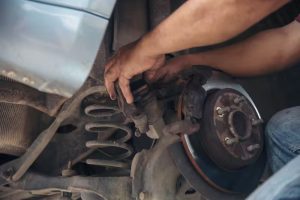
Replacing brake pads can be a rewarding DIY project if done correctly. Start by lifting the vehicle and removing the wheel. Once the wheel is off, locate the brake caliper and remove it to access the brake pads. After removing the old pads, it’s crucial to compress the caliper piston before installing the new pads. Ensure everything is reassembled properly, and check that the brakes function correctly before driving. If you’re unsure about any part of the process, consulting your vehicle’s manual or seeking professional guidance is always a good idea.
Frequently Asked Questions
How long do brake pads typically last?
Brake pads typically last between 30,000 to 70,000 miles, but this can vary based on factors such as driving habits, vehicle type, and the quality of the pads. Regular inspections will help you determine their condition.
Can I drive with worn brake pads?
Driving with worn brake pads is not advisable, as it can compromise your safety and lead to more extensive damage to your braking system. If you notice any signs of wear, it’s best to replace them immediately.
What happens if I ignore brake pad replacement?
Ignoring brake pad replacement can lead to severe consequences, including reduced stopping power, damage to the brake rotors, and potential accidents. Prioritizing brake maintenance is crucial for your safety on the road.