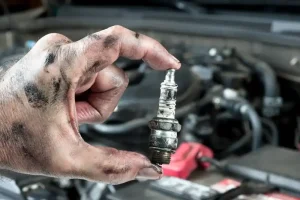

A Spark Plug is one of the most important components in a gasoline engine. It is small in size but critical for engine operation. Without it, combustion cannot occur, and the engine cannot produce power.
The Spark Plug sits inside the engine cylinder and creates the spark needed to ignite the air-fuel mixture. This ignition process is what drives the pistons and ultimately powers the vehicle.
In modern engines, the Spark Plug works as part of a highly coordinated ignition system. It must deliver consistent sparks under extreme pressure, heat, and vibration. Even minor issues with a spark plug can affect performance, fuel economy, and emissions.
Understanding how it works helps drivers maintain better engine health and avoid performance problems before they become serious.
The Science Behind Spark Plug Operation
The operation of a Spark Plug is based on controlled electrical discharge inside the combustion chamber. This process happens thousands of times per minute while the engine is running.
Ignition Process Inside the Combustion Chamber
Inside each cylinder, a mixture of air and fuel is compressed. At the precise moment, the Spark Plug releases a high-voltage spark. This ignites the mixture and creates a controlled explosion.
That explosion pushes the piston downward, generating mechanical energy. This cycle repeats continuously to keep the engine running smoothly.
Electrical Energy and High-Voltage Spark Creation
The ignition coil supplies high voltage to the Spark Plug. This voltage is strong enough to jump the gap between the electrodes.
The spark must be consistent and strong. If it weakens, combustion becomes incomplete, leading to misfires and poor engine performance.
Role of Air-Fuel Mixture in Combustion Efficiency
The effectiveness of a Spark Plug depends heavily on the air-fuel mixture. A balanced mixture ensures smooth combustion. If the mixture is too rich or too lean, ignition becomes less efficient.
This balance directly affects power output, fuel consumption, and emissions levels.
Main Components of a Spark Plug Explained
A Spark Plug may look simple, but it is built from several precision-engineered parts.
The central electrode carries the electrical charge into the combustion chamber. It is designed to withstand extreme heat and pressure.
The ground electrode completes the circuit by allowing the spark to jump across the gap. The distance between electrodes is carefully calibrated for optimal ignition.
The ceramic insulator surrounds the central electrode. It prevents electrical leakage and protects the plug from heat damage.
The metal shell holds everything together and allows the Spark Plug to be securely installed into the engine cylinder head.
Another important factor is heat range. This determines how quickly the Spark Plug can transfer heat away from the combustion chamber. The correct heat range ensures stable performance and prevents overheating or fouling.
Why Spark Plugs Are Critical for Engine Performance
A Spark Plug directly influences how efficiently an engine runs. It affects power, fuel economy, and smooth operation.
Impact on Engine Power Output
Efficient combustion produces maximum power. A healthy Spark Plug ensures the air-fuel mixture ignites completely and at the right time.
When spark performance declines, the engine loses power. Acceleration becomes slower, and overall responsiveness decreases.
Influence on Fuel Efficiency and Emissions
Incomplete combustion wastes fuel. A worn Spark Plug can cause the engine to burn fuel inefficiently.
This leads to higher fuel consumption and increased emissions. Modern engines rely heavily on precise ignition timing to meet environmental standards.
Effect on Engine Smoothness and Responsiveness
A good Spark Plug ensures smooth engine operation. The engine runs evenly without hesitation or vibration.
When spark quality drops, the engine may feel rough, especially at idle or during acceleration.
Different Types of Spark Plugs Used in Vehicles
Not all Spark Plugs are the same. Different materials are used depending on engine requirements and performance expectations.
Copper Spark Plugs are the most basic type. They offer good conductivity but have a shorter lifespan.
Platinum Spark Plugs last longer and provide more stable performance. They are commonly used in modern vehicles.
Iridium Spark Plugs are the most advanced type. They offer high durability, strong ignition performance, and are often used in high-performance engines.
Each type has its own advantages depending on driving style and engine design.
Signs of a Failing Spark Plug
A failing Spark Plug often shows clear symptoms that affect engine performance.
Engine Misfires and Rough Idling
One of the most common signs is engine misfiring. This happens when the Spark Plug fails to ignite the fuel mixture properly.
The engine may shake or vibrate when idling.
Difficulty Starting the Engine
Weak spark plugs can make it harder to start the engine. The ignition process becomes inconsistent, especially in cold conditions.
Reduced Acceleration and Power Loss
Drivers may notice slower acceleration and reduced engine power. The vehicle feels less responsive when pressing the accelerator.
These symptoms usually worsen over time if the spark plugs are not replaced.
How Spark Plug Condition Affects Engine Health
The condition of a Spark Plug has a direct impact on overall engine health.
Poor ignition can lead to incomplete combustion. This creates carbon deposits inside the engine.
Over time, these deposits can affect valves, pistons, and other internal components.
Faulty spark plugs can also increase strain on the catalytic converter. This component becomes less efficient when unburned fuel enters the exhaust system.
Maintaining good spark plug condition helps protect the entire engine system.
Spark Plug Maintenance and Replacement Cycles
Regular maintenance is essential for Spark Plug performance.
Manufacturer Recommended Service Intervals
Most manufacturers recommend replacing spark plugs between 30,000 and 100,000 kilometers. The exact interval depends on plug type and engine design.
Driving Conditions That Affect Lifespan
Frequent short trips, heavy traffic, and aggressive driving can shorten spark plug lifespan. Engines that operate under constant load also wear plugs faster.
Importance of Regular Inspection
Regular inspection helps detect early signs of wear. Checking spark plugs during servicing can prevent unexpected engine problems.
Common Causes of Spark Plug Damage
Several factors can damage a Spark Plug over time.
Carbon buildup is one of the most common issues. It affects ignition efficiency and causes misfires.
Oil leaks can also contaminate spark plugs. This reduces their ability to produce a strong spark.
Overheating occurs when the wrong heat range is used. This can damage electrodes and reduce performance.
Spark Plug Performance in Different Engine Types
Different engines place different demands on Spark Plugs.
Naturally Aspirated Engines
These engines rely entirely on atmospheric pressure for air intake. Spark plugs must maintain consistent ignition without forced induction support.
Turbocharged and High-Pressure Engines
Turbocharged engines operate under higher pressure and temperature. Spark plugs must withstand greater stress and provide reliable ignition under extreme conditions.
High-Mileage and Older Engines
Older engines may require more frequent spark plug replacement due to wear and carbon buildup inside the combustion chamber.
How to Inspect a Spark Plug for Engine Diagnostics
Spark plugs can reveal a lot about engine condition.
Light brown deposits usually indicate normal combustion. Black soot may indicate a rich fuel mixture.
White deposits can suggest a lean condition or overheating. Oil fouling may indicate internal engine wear.
By reading a Spark Plug correctly, mechanics can identify engine problems early.
Upgrading Spark Plugs for Better Performance
Some drivers choose to upgrade spark plugs for improved performance.
When Performance Spark Plugs Make Sense
Performance plugs are useful for modified or high-performance engines. They offer better ignition stability and durability.
Compatibility With Modern Engine Systems
Not all engines benefit from upgrades. Compatibility is important to ensure proper ignition timing and heat control.
Risks of Incorrect Spark Plug Selection
Using the wrong Spark Plug can cause misfires, poor fuel economy, or even engine damage.
Future Technology in Spark Plug Design
Spark plug technology continues to evolve.
New materials are improving durability and ignition efficiency. Modern designs focus on longer lifespan and better heat control.
Some advanced systems are integrating ignition control with engine sensors for improved performance monitoring.
These developments aim to make engines more efficient and reliable in the future.
Conclusion
A Spark Plug plays a vital role in engine performance, efficiency, and reliability. It is responsible for igniting the air-fuel mixture that powers the vehicle.
Understanding how it works and recognizing signs of wear helps maintain better engine health. Regular maintenance ensures smoother operation, better fuel economy, and longer engine life.
Whether in a standard vehicle or a high-performance engine, the Spark Plug remains one of the most essential components in the combustion process. Proper care and timely replacement are key to keeping any engine running at its best.