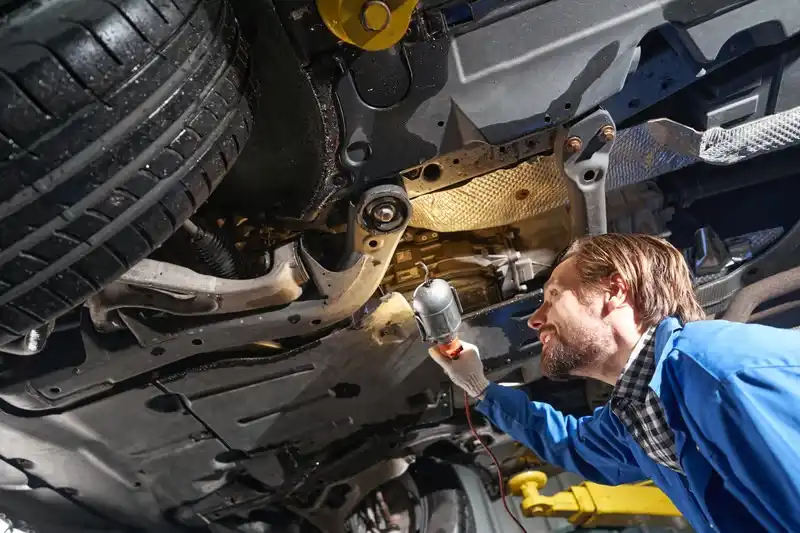
Control arm bushings are small components with a big responsibility. They sit between the control arm and the vehicle’s chassis. Their job is to isolate vibration while keeping the suspension properly located during driving. Without them, every bump, vibration, and impact from the road would transfer directly into the cabin and suspension structure.
Control Arm Bushings are essential for balancing comfort and control. They help maintain stable handling while allowing controlled movement of the suspension system. Over time, these bushings wear out due to constant stress, heat, and environmental exposure. When that happens, both ride quality and safety begin to decline.
Even small levels of wear can affect steering precision, braking stability, and tire life. This makes them one of the most important yet often overlooked suspension components in a vehicle.
The Role of Control Arm Bushings in Suspension Geometry
Control arm bushings are not just comfort parts. They play a critical role in suspension geometry. They ensure that the wheels stay in the correct position relative to the chassis under all driving conditions.
Maintaining Wheel Alignment and Positioning
Control Arm Bushings help maintain proper wheel alignment during acceleration, braking, and cornering. When bushings are healthy, the control arm stays stable and predictable. When they wear out, the wheel can shift slightly under load, causing misalignment and uneven tire contact with the road.
This small movement can lead to instability at higher speeds. It can also cause the vehicle to drift or pull to one side during driving.
Absorbing Road Vibrations and Impacts
One of the main functions of bushings is vibration isolation. They absorb shocks from potholes, uneven roads, and sudden impacts. This reduces stress on the suspension system and improves ride comfort.
Without properly functioning Control Arm Bushings, the suspension becomes harsh. The driver and passengers feel more vibration and noise inside the cabin.
Supporting Steering Precision and Stability
Steering response depends heavily on suspension stability. Bushings ensure that the control arm does not move unpredictably during steering input. When they are in good condition, steering feels tight and controlled. When they are worn, steering may feel loose or vague.
Different Types of Control Arm Bushings Used in Modern Vehicles
Not all Control Arm Bushings are designed the same way. Different materials are used depending on comfort, performance, and durability requirements.
Rubber bushings are the most common type found in factory vehicles. They provide excellent comfort and noise reduction. However, they wear faster under aggressive driving conditions.
Polyurethane bushings are commonly used in performance applications. They are stiffer than rubber and provide better handling response. The trade-off is increased road noise and reduced vibration absorption.
Solid or spherical bushings are used in motorsport or high-performance setups. They offer maximum precision but very little comfort. These are typically used in track-focused vehicles where handling matters more than ride quality.
Common Causes of Control Arm Bushing Wear and Damage
Control Arm Bushings degrade over time due to several environmental and mechanical factors.
Heat, Age, and Material Degradation
Heat cycles from braking and engine operation gradually break down rubber materials. Over time, the bushings lose elasticity and become brittle. Age alone can also cause deterioration even in low-mileage vehicles.
Exposure to Oil, Dirt, and Road Contaminants
Oil leaks, dirt, and road salt can accelerate bushing failure. Rubber is particularly sensitive to petroleum-based fluids. Once contaminated, the material begins to swell, crack, or soften.
Aggressive Driving and Heavy Load Stress
Hard cornering, sudden braking, and carrying heavy loads increase stress on Control Arm Bushings. Performance driving or frequent rough-road use significantly shortens their lifespan.
Warning Signs of Worn Control Arm Bushings
Worn bushings often produce noticeable symptoms before complete failure occurs.
One of the first signs is steering instability. The vehicle may feel loose at highway speeds or require constant correction to stay in a straight line.
Clunking or knocking noises over bumps are also common. These sounds occur when the control arm moves excessively due to worn bushings.
Uneven tire wear is another strong indicator. Misalignment caused by worn bushings leads to irregular tire contact with the road surface.
Braking stability may also be affected. The vehicle can feel unstable or shift slightly during hard braking or cornering.
How Worn Control Arm Bushings Affect Vehicle Performance
As Control Arm Bushings wear, their impact extends across the entire suspension system.
Impact on Alignment and Tire Contact Patch
When bushings degrade, suspension geometry changes under load. This affects wheel alignment and reduces the tire’s contact patch with the road. The result is reduced grip and inconsistent handling.
Reduced Suspension Responsiveness
Worn bushings allow unwanted movement in the suspension system. This delays suspension response during steering or braking inputs. The driver may feel a disconnect between input and vehicle reaction.
Increased Stress on Other Suspension Components
When bushings fail, other components must absorb additional stress. This can accelerate wear on ball joints, shocks, and tie rods. Over time, this leads to more expensive repairs.
Control Arm Bushings in Performance and Modified Vehicles
Performance enthusiasts often upgrade Control Arm Bushings to improve handling. Stiffer materials reduce unwanted suspension movement and improve steering response.
However, there is always a trade-off. Stiffer bushings reduce comfort and increase noise and vibration. This makes them less suitable for daily driving in many cases.
Street vehicles typically benefit from a balanced setup that improves handling without sacrificing comfort. Track vehicles prioritize precision and durability over ride quality.
Diagnosing Control Arm Bushing Problems
Identifying worn bushings requires a combination of visual inspection and physical testing.
Visual Inspection Techniques
Mechanics look for cracks, splits, or deformation in the rubber. Fluid leaks around the suspension area can also indicate contamination.
Lever and Movement Testing Methods
Using a pry bar, technicians can apply pressure to the control arm to check for excessive movement. Any noticeable play often indicates worn bushings.
Road Test Symptoms and Feedback
During driving, symptoms such as steering looseness, vibration, or clunking noises help confirm the diagnosis.
Replacement Process for Control Arm Bushings
Replacing Control Arm Bushings can be done in two ways. Some vehicles require full control arm replacement, while others allow individual bushing replacement.
Full control arm replacement is often easier and ensures all components are new. Bushing-only replacement requires pressing tools and more labor but can be more cost-effective.
After replacement, wheel alignment is essential. Even small changes in suspension geometry can affect handling and tire wear.
Choosing the Right Control Arm Bushings for Your Vehicle
Selecting the right bushings depends on driving style and vehicle use.
Daily drivers benefit from rubber bushings that prioritize comfort and noise reduction. These provide smooth operation and long service life.
Performance-focused drivers may prefer polyurethane bushings for improved handling response. These reduce suspension flex and improve steering precision.
Off-road or heavy-duty vehicles require durable bushings that can handle high stress and harsh environments.
Installation Challenges and Common Mistakes
Improper installation is one of the main causes of premature bushing failure.
Incorrect pressing techniques can damage new bushings during installation. Misalignment during assembly can also lead to uneven wear.
Another common mistake is failing to torque suspension components under load. This can cause bushings to twist and wear out faster than expected.
Maintenance Tips to Extend Control Arm Bushing Life
Regular inspections help detect early signs of wear. Checking bushings during routine servicing can prevent unexpected failures.
Protecting suspension components from oil leaks and contaminants also extends lifespan. Keeping the undercarriage clean helps reduce environmental damage.
Driving habits play a major role as well. Avoiding aggressive driving over rough roads helps reduce stress on bushings.
Cost Considerations and Replacement Intervals
Replacement cost depends on vehicle type, labor rates, and whether bushings or full control arms are replaced.
Labor often represents a significant portion of the cost due to the need for specialized tools and alignment work.
Preventive replacement can be cost-effective. Replacing worn bushings early prevents damage to other suspension components.
Future Trends in Suspension Bushing Technology
Suspension technology continues to evolve with improved materials and designs.
Smart suspension materials are being developed to adapt stiffness based on driving conditions. This could provide both comfort and performance in a single solution.
Advanced polyurethane and composite materials offer better durability and resistance to environmental damage.
Lightweight engineering also plays a role in improving efficiency and handling response in modern vehicles.
Conclusion
Control Arm Bushings are small but critical components in any vehicle suspension system. They directly influence ride comfort, steering precision, and overall handling stability.
Understanding the symptoms of wear helps drivers identify problems early. Issues such as noise, vibration, and alignment problems should never be ignored.
Choosing the right replacement type depends on driving needs. Whether prioritizing comfort or performance, properly maintained Control Arm Bushings are essential for safe and predictable vehicle behavior. Regular inspection and timely replacement ensure long-term suspension health and driving confidence.