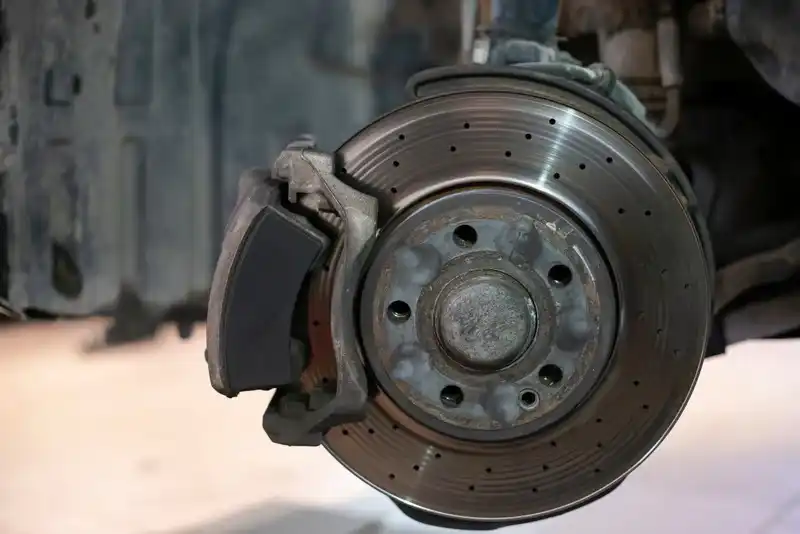
Your vehicle’s braking system is one of the most critical safety components on the road. While many drivers focus on horsepower upgrades, suspension tuning, or tire improvements, the ability to stop quickly and consistently is just as important. Choosing the right performance brake pads can significantly improve braking response, reduce stopping distances, enhance driving confidence, and provide better control under demanding conditions.
However, selecting the ideal brake pads is not always straightforward. Modern automotive markets offer numerous options, ranging from ceramic and semi-metallic compounds to carbon-based racing formulations. Each type has unique characteristics that affect performance, comfort, durability, and cost.
Understanding how performance brake pads work and matching them to your driving style can help you make a smart investment that improves both safety and driving enjoyment. This comprehensive guide explains everything you need to know about choosing performance brake pads for your car.
Why Brake Pads Matter More Than Most Drivers Realize
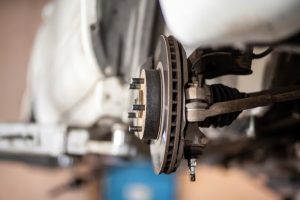
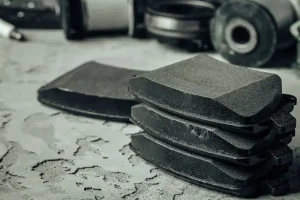
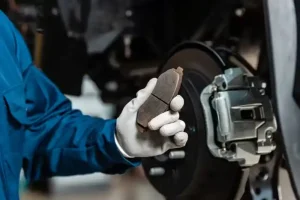
Brake pads are the friction material that presses against the brake rotor when you apply the brakes. This friction converts the vehicle’s kinetic energy into heat, slowing the car down safely.
Many factory-installed brake pads are designed to satisfy a broad range of drivers. Manufacturers typically prioritize low noise levels, reasonable durability, and affordability. While these characteristics are suitable for everyday commuting, they may not provide the stopping power required for spirited driving, towing, mountain roads, or performance applications.
Performance brake pads are engineered with specialized materials that withstand higher temperatures and generate stronger, more consistent braking force. They are designed to maintain effectiveness even when subjected to repeated hard braking situations.
For drivers who value safety, control, and vehicle performance, upgrading brake pads often delivers one of the most noticeable improvements available.
Understanding What Makes a Brake Pad “Performance”
Performance brake pads differ from standard brake pads primarily because of their friction compounds and heat resistance capabilities.
A brake pad’s effectiveness depends heavily on its ability to maintain friction across a wide temperature range. During aggressive braking, temperatures can rise dramatically. Inferior brake pads may suffer from brake fade, a condition where braking performance decreases because the friction material becomes overheated.
Performance brake pads use advanced materials that resist fade, maintain stable friction levels, and provide stronger pedal feedback. They are specifically designed to handle greater stress without compromising safety.
The result is improved stopping power, better modulation, and more predictable braking behavior in demanding driving situations.
Key Brake Pad Materials Explained
Understanding brake pad materials is one of the most important steps when selecting the right option for your vehicle.
Ceramic Brake Pads
Ceramic brake pads are popular among drivers seeking a balance between performance, comfort, and longevity. They use dense ceramic compounds mixed with fine copper fibers and other materials.
These pads generate minimal brake dust, operate quietly, and provide consistent braking during normal and moderately aggressive driving. They also tend to last longer than many alternative compounds.
Ceramic pads are excellent for daily-driven performance vehicles because they offer reliable stopping power without sacrificing comfort. However, they may not perform as well as specialized racing compounds during extreme track conditions.
Semi-Metallic Brake Pads
Semi-metallic brake pads contain various metal fibers, including steel, copper, iron, and other alloys. These materials improve heat transfer and friction characteristics.
Because they dissipate heat efficiently, semi-metallic pads often provide stronger braking performance than ceramic options. They are well suited for sports cars, towing vehicles, and drivers who frequently encounter demanding road conditions.
The tradeoff is increased brake dust, more rotor wear, and occasionally higher noise levels. Despite these disadvantages, many enthusiasts prefer semi-metallic pads because of their superior braking strength.
Organic Brake Pads
Organic brake pads are manufactured using fibers, rubber, glass, and resin compounds. They are generally quieter and less expensive than other types.
While comfortable for everyday driving, organic pads are usually not considered true performance brake pads. Their heat resistance and braking capabilities are often limited compared to ceramic or semi-metallic alternatives.
Drivers seeking enhanced performance typically choose other options.
Carbon and Racing Compounds
High-performance racing pads often incorporate carbon composites and advanced friction materials designed specifically for motorsport applications.
These compounds provide extraordinary stopping power under high temperatures. However, they often require significant heat before reaching peak effectiveness.
For street driving, racing pads can sometimes feel less responsive when cold and may generate excessive noise and dust. They are best reserved for dedicated track vehicles or serious motorsport enthusiasts.
Matching Brake Pads to Your Driving Style
One of the most common mistakes drivers make is purchasing brake pads designed for conditions they rarely encounter.
Daily Commuting
For drivers who primarily use their vehicles for commuting, city driving, and highway travel, ceramic performance brake pads often provide the ideal balance.
They offer improved braking response while maintaining low noise levels and minimal dust production. These characteristics make them practical for everyday use.
Spirited Street Driving
Drivers who enjoy mountain roads, back-road driving, or occasional aggressive acceleration should consider high-quality semi-metallic or advanced ceramic performance pads.
These options provide stronger bite, improved pedal feel, and better heat resistance without sacrificing everyday usability.
Towing and Heavy Loads
Vehicles that frequently tow trailers or carry substantial cargo place greater stress on braking systems.
Semi-metallic performance brake pads are often recommended because they handle heat more effectively and provide dependable stopping power under heavier loads.
Track Days and Motorsport
For track-focused vehicles, specialized performance compounds are essential. Racing pads offer exceptional braking consistency at extreme temperatures.
However, many track enthusiasts maintain separate brake setups for street and track use because racing pads may not be ideal for daily driving conditions.
The Importance of Temperature Range
Brake pad performance changes dramatically depending on operating temperature.
Every brake pad compound has a specific temperature range where it performs best. Standard street pads are optimized for lower temperatures encountered during everyday driving.
Performance brake pads are engineered to remain effective at higher temperatures generated during aggressive braking.
Choosing a brake pad with an appropriate operating range ensures maximum effectiveness. A pad designed for racing may never reach optimal temperatures during normal commuting, while a standard pad may overheat during spirited driving.
Understanding this balance helps drivers avoid poor braking performance and unnecessary expenses.
How Brake Pad Friction Ratings Affect Performance
Brake pads are often assigned friction ratings that indicate their stopping capabilities under specific testing conditions.
Higher friction coefficients generally produce stronger braking force. However, maximum friction is not the only consideration.
Predictability, modulation, temperature stability, and pedal feel are equally important. A brake pad that offers smooth, controllable braking can be safer and more enjoyable than one that simply produces the highest friction number.
Drivers should evaluate overall performance characteristics rather than focusing solely on advertised stopping power.
Brake Dust and Noise Considerations
Performance improvements often involve tradeoffs.
Semi-metallic pads typically generate more brake dust than ceramic alternatives. This dust can accumulate on wheels and require frequent cleaning.
Similarly, some high-performance compounds may produce squealing sounds during braking. While these noises are often harmless, they can become annoying for daily drivers.
Balancing performance expectations with comfort preferences helps ensure long-term satisfaction with your brake pad selection.
Rotor Compatibility Matters
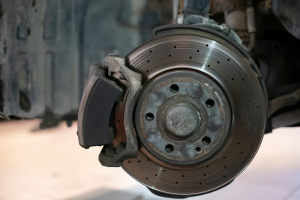
Brake pads and rotors function as a complete system. Installing aggressive performance pads on worn or unsuitable rotors can reduce effectiveness and accelerate component wear.
Standard Rotors
Many performance brake pads work effectively with quality OEM-style rotors. This combination is often sufficient for daily drivers seeking improved braking.
Slotted Rotors
Slotted rotors help remove debris and gases generated during heavy braking. They can enhance braking consistency when paired with performance pads.
Drilled Rotors
Drilled rotors improve cooling and reduce weight but may be more susceptible to cracking under extreme track conditions.
Performance Rotor Systems
High-performance rotor systems are designed specifically to complement advanced brake pad compounds and maximize braking efficiency.
Selecting compatible components ensures optimal results and extends the lifespan of both pads and rotors.
Signs That You Need Better Brake Pads
Many drivers continue using standard brake pads without realizing how much performance they are sacrificing.
If you experience brake fade during downhill driving, reduced stopping confidence, excessive pedal travel, or inconsistent braking response, upgrading to performance brake pads may provide significant benefits.
Drivers who have modified engine power, installed larger wheels, or regularly carry heavier loads may also benefit from enhanced braking capabilities.
Investing in braking performance often yields more practical safety improvements than many cosmetic or power-focused upgrades.
Common Mistakes When Buying Performance Brake Pads
One frequent mistake is selecting the most aggressive racing compound available without considering actual driving habits. This approach often leads to poor cold-weather performance, increased noise, and unnecessary costs.
Another common error involves ignoring rotor condition. New brake pads installed on damaged or uneven rotors may fail to perform properly.
Some drivers focus exclusively on price. While budget options may seem attractive initially, premium performance brake pads often deliver better durability, consistency, and long-term value.
Failing to properly bed-in new brake pads is another issue. Correct break-in procedures help establish an even transfer layer on the rotor surface, improving braking performance and longevity.
Expert Advice for Choosing Performance Brake Pads
Automotive braking specialists consistently recommend matching brake pad selection to actual vehicle usage rather than marketing claims. A daily-driven sedan requires different characteristics than a dedicated track car, even if both owners desire better stopping power.
Before purchasing, consider your driving environment, local climate, vehicle weight, tire setup, and performance goals. Research reputable manufacturers known for consistent quality and testing standards.
When upgrading brake pads, inspect rotors, brake fluid, calipers, and hardware at the same time. A complete braking system evaluation often reveals additional opportunities for improvement.
Remember that braking performance depends on the entire system working together. The best results come from a balanced approach rather than focusing on a single component.
Long-Term Benefits of Quality Performance Brake Pads
High-quality performance brake pads deliver advantages that extend beyond shorter stopping distances.
Drivers often experience increased confidence during emergency maneuvers, improved control during adverse weather conditions, and more predictable braking behavior under varying loads.
Performance pads can also reduce brake fade, improve pedal feel, and enhance vehicle responsiveness during spirited driving.
While premium brake pads may cost more initially, their durability and consistent performance frequently provide better long-term value than cheaper alternatives.
Most importantly, improved braking capability contributes directly to vehicle safety, making performance brake pads one of the most practical upgrades available.
Conclusion
Choosing the right performance brake pads requires more than selecting the most expensive option on the shelf. The ideal brake pad depends on your vehicle, driving habits, performance expectations, and comfort preferences. Understanding the differences between ceramic, semi-metallic, organic, and racing compounds helps ensure that your choice aligns with real-world needs.
Whether you are a daily commuter seeking greater safety, an enthusiast pursuing sharper handling, or a driver who frequently tows heavy loads, the right performance brake pads can dramatically improve braking confidence and control. By considering temperature range, friction characteristics, rotor compatibility, and overall driving conditions, you can make an informed decision that enhances both safety and performance for years to come.
FAQs
What are the best performance brake pads for everyday driving?
For most daily drivers, ceramic performance brake pads offer the best balance of stopping power, quiet operation, low dust production, and long lifespan. They provide noticeable braking improvements without sacrificing comfort or requiring extensive maintenance.
Do performance brake pads wear out rotors faster?
Some aggressive semi-metallic and racing brake compounds can increase rotor wear compared to standard pads. However, many modern performance pads are engineered to balance braking strength with rotor longevity when used appropriately.
Are performance brake pads worth the extra cost?
Yes, performance brake pads can be a worthwhile investment for drivers seeking improved safety, stronger stopping power, reduced brake fade, and enhanced pedal feel. Their benefits are especially noticeable during demanding driving conditions.
How long do performance brake pads last?
Brake pad lifespan depends on driving habits, vehicle weight, road conditions, and pad material. High-quality performance brake pads typically last between 30,000 and 70,000 miles, though aggressive driving can shorten their lifespan significantly.
Can I install performance brake pads without changing rotors?
In many cases, yes. However, rotors should be inspected carefully for wear, damage, or uneven surfaces. Installing new performance brake pads on worn rotors can reduce effectiveness and compromise braking performance.