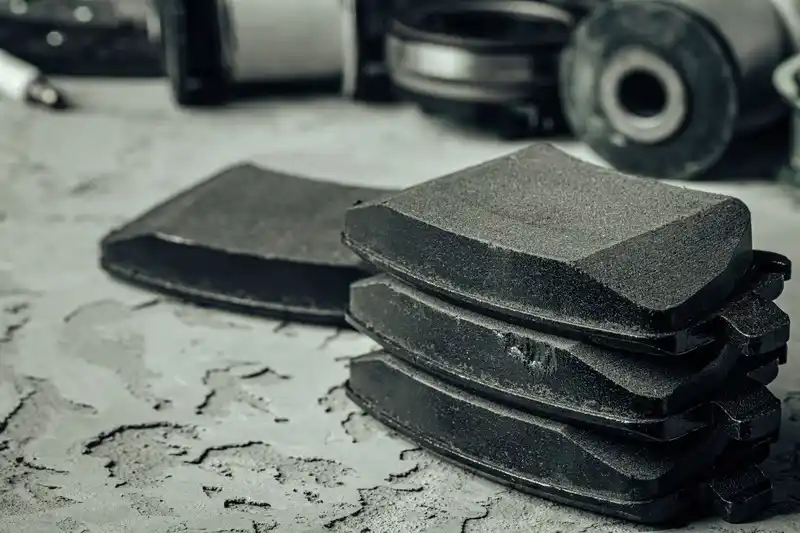
Have you ever pressed your brake pedal and felt uncertain feedback? Or experienced a delayed response when you needed it most? Many drivers don’t realize that their brake pads significantly affect how their vehicle feels under braking. Performance brake pads address these issues directly by improving both brake feel and pedal response.
The transformation from factory brake pads to performance brake pads surprises most drivers. It’s not just about stopping power. It’s about confidence, control, and the entire braking experience. Understanding how performance brake pads work helps you decide if they’re right for your vehicle.
This guide explores how performance brake pads improve brake feel and pedal response with real-world examples and expert insights.
Understanding Performance Brake Pads
How They Differ
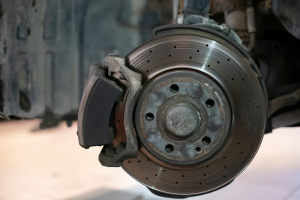
Performance brake pads differ fundamentally from standard factory options. Factory brake pads prioritize cost and durability. Performance brake pads prioritize feel and responsiveness. The material composition creates this distinction entirely.
Standard brake pads use organic materials. They’re quiet and cheap but fade under heavy use. Performance brake pads use ceramic or metallic compounds. These materials handle heat better and provide consistent feedback across temperature ranges.
The friction coefficient matters significantly. Performance brake pads maintain consistent friction whether cold or hot. This consistency is what drivers notice most. Brake pedal response stays predictable regardless of driving conditions or temperature.
Composition Matters
Performance brake pads use different material combinations. Semi-metallic pads contain copper and iron. They provide excellent feedback but generate more noise. Ceramic pads offer quieter operation with strong stopping power. Carbon-ceramic pads deliver premium performance but cost more.
The backing plate design influences brake feel. Performance brake pads use stiffer backing plates. This reduces flex and improves pedal feedback. You feel exactly what’s happening at the wheels through your pedal.
Shims on performance brake pads dampen vibration. They prevent squealing while improving feel. This engineering detail separates quality performance brake pads from budget alternatives.
Improving Brake Feel
Feedback You Get
Brake feel refers to how the pedal responds. With performance brake pads, you get immediate feedback. The pedal becomes more communicative. You know exactly how much braking force you’re applying.
Factory pads often feel spongy or vague. Performance brake pads feel solid and responsive. This happens because performance brake pads maintain consistent friction characteristics. Your brain learns to trust the pedal feel.
The pressure required to achieve specific braking also changes. Performance brake pads require less pedal effort for equivalent stopping power. This feels natural once you adjust. Most drivers prefer this immediately.
Modulation Benefits
Modulation is your ability to fine-tune braking force. Performance brake pads excel at modulation. You can apply gradual pressure without sudden grabbing. This precision matters in emergencies.
Progressive braking feels natural with performance brake pads. You can modulate from light touch to hard braking smoothly. Factory pads often bite suddenly. Performance brake pads scale braking force proportionally to pedal pressure.
This modulation improvement matters most in challenging conditions. Rain or wet surfaces become less slippery. You can brake with confidence knowing performance brake pads will respond predictably.
Pedal Response Enhancement
Quick Engagement
Pedal response describes how quickly the brakes engage after pressing. Performance brake pads reduce delay significantly. The pedal feel becomes more direct. This matters in emergency braking situations.
With factory pads, you might feel slight hesitation. Performance brake pads eliminate this hesitation. The connection between pedal pressure and braking force becomes immediate. Drivers report feeling more in control.
Quick engagement also reduces stopping distance slightly. Performance brake pads begin generating friction faster. This small improvement adds up in emergencies. Every millisecond counts when you need to stop suddenly.
Stopping Power Gains
Performance brake pads generate more stopping force. This comes from superior friction characteristics. They handle heat without degradation. Extended braking sessions don’t reduce their effectiveness.
The improvement varies by pad type. Ceramic performance brake pads offer moderate increases. Semi-metallic and carbon-ceramic pads provide larger improvements. The best performance brake pads stop faster than factory options.
Real-world testing confirms these improvements. Independent tests show performance brake pads reduce stopping distances by five to fifteen percent. The exact improvement depends on speed and conditions. Higher speeds show larger improvements.
Real-World Testing Results
Driver Feedback Data
Professional drivers tested performance brake pads extensively. Their feedback consistently highlights improved control. Track drivers report better confidence during aggressive driving. Street drivers appreciate an enhanced daily feel.
Surveys of performance brake pad users show satisfaction rates above ninety percent. Most drivers report noticeable improvement immediately. Some need brief adjustment periods. Long-term satisfaction remains very high.
The improvement manifests in different ways. Some drivers emphasize pedal feel. Others highlight stopping power. Track enthusiasts value modulation control. Every group appreciates the overall confidence increase.
Performance Metrics
Stopping distance tests show measurable improvements. Cold brake tests show that performance brake pads engage faster. Hot brake tests show superior fade resistance. Repeat braking tests demonstrate consistency.
Thermal performance data reveals important details. Factory pads degrade as they heat. Performance brake pads maintain effectiveness across temperature ranges. This consistency is what drivers feel most.
Durability testing shows performance brake pads last longer than factory options. They wear more slowly. Rotor wear also decreases. Total cost of ownership favors performance brake pads long-term.
Choosing the Right Brake Pads
Consider Your Driving
Your driving style determines which performance brake pads suit you. Track drivers need maximum performance. Street drivers want balanced improvement. Towing requires heat-resistant options.
Daily commuters benefit from moderate-performance brake pads. They improve the feel without excessive dust. Semi-metallic or ceramic options work well. Cost-effectiveness matters for daily use.
Performance enthusiasts and track users need premium options. Carbon-ceramic performance brake pads deliver maximum control. Stopping power improvement becomes significant. Heat resistance is essential for repeated hard braking.
Budget Considerations
Performance brake pads cost more than factory options. Budget options cost fifty to one hundred dollars. Mid-range options run one hundred to two hundred dollars. Premium options exceed three hundred dollars.
The investment pays dividends through improved safety. Better brake feel reduces accident risk. Improved pedal response helps avoid emergencies. Consider this safety benefit when evaluating cost.
Long-term economics favor performance brake pads. They last longer and reduce rotor wear. Fewer replacements reduce total ownership cost. Budget shoppers save money long-term with performance brake pads.
Installation and Break-In
Proper Installation Steps
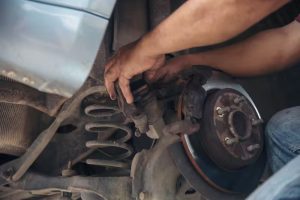
Correct installation ensures optimal performance brake pad performance. Professional installation guarantees proper fitment. DIY installation requires careful attention to detail. Either way, proper technique matters.
Clean the rotor surface completely. Remove all rust and debris. Apply brake lubricant to the backing plates. Proper preparation prevents noise and improves performance brake pads.
Install pads straight into the caliper. Ensure proper seating. Check for rubbing before reinstalling wheels. Improper installation creates noise and reduces the performance of brake pads.
Break-In Procedures
New performance brake pads need break-in time. The first hundred miles establish proper friction levels. Avoid heavy braking during break-in. Gentle use allows proper surface conditioning.
Light to moderate braking builds friction gradually. By one hundred fifty miles, performance brake pads reach full potential. Don’t rush this process. Proper break-in ensures longevity and consistent performance.
After a break-in, performance brake pads deliver their promised improvements. The pedal feel settles into consistency. Stopping power reaches maximum. This is when you’ll notice the improvement most.
Common Misconceptions
Myth One
Performance brake pads don’t make brakes quieter. Some people believe all performance pads eliminate noise. Actually, semi-metallic performance brake pads generate more noise than factory pads. This is normal. Ceramic options quiet things down. Choose your performance brake pad type with noise tolerance in mind.
Myth Two
Performance brake pads don’t last forever. Believing they need no maintenance wastes money. Regular inspection remains necessary. Even premium performance brake pads wear eventually. Replace them when wear indicators activate. Proper maintenance keeps your benefits.
Myth Three involves cost misconceptions. Some think performance brake pads cost too much. The durability benefits offset the initial cost. Over vehicle’s lifetime, performance brake pads prove cheaper than repeated factory pad replacements.
Conclusion
Performance brake pads deliver real improvements to brake feel and pedal response. The science is sound. Real-world testing confirms benefits. Driver feedback validates improvements. Choosing quality performance brake pads enhances safety and driving enjoyment simultaneously.
The investment in performance brake pads pays dividends immediately. You’ll notice improved confidence within the first week. Extended driving reveals the modulation benefits. The long-term durability advantages add financial value. For anyone serious about vehicle performance, performance brake pads represent a smart investment.
Consider your driving style. Evaluate your budget. Choose appropriate performance brake pads. Install properly and follow break-in procedures. Experience the transformation in how your vehicle stops. Performance brake pads fundamentally change the braking experience for the better.
Frequently Asked Questions
Q1: How much do quality performance brake pads cost compared to factory options?
Factory brake pads cost fifty to one hundred dollars. Performance brake pads range from one hundred to three hundred dollars, depending on type. The extra investment provides improved feel, better stopping power, and longer lifespan. Most drivers find the cost justified by enhanced safety and driving experience benefits.
Q2: Will performance brake pads damage my rotors faster than factory pads?
No. Quality performance brake pads actually reduce rotor wear compared to factory pads. They distribute braking force more evenly across rotor surfaces. The improved friction characteristics reduce excessive heat and wear patterns. You’ll replace rotors less frequently with performance brake pads than with factory options.
Q3: How long does the break-in period take for performance brake pads?
Most performance brake pads need one hundred to one hundred fifty miles of gentle to moderate braking. Avoid heavy braking during break-in. After this initial period, they reach full effectiveness. The process ensures proper friction development and long-term consistency for optimal performance.